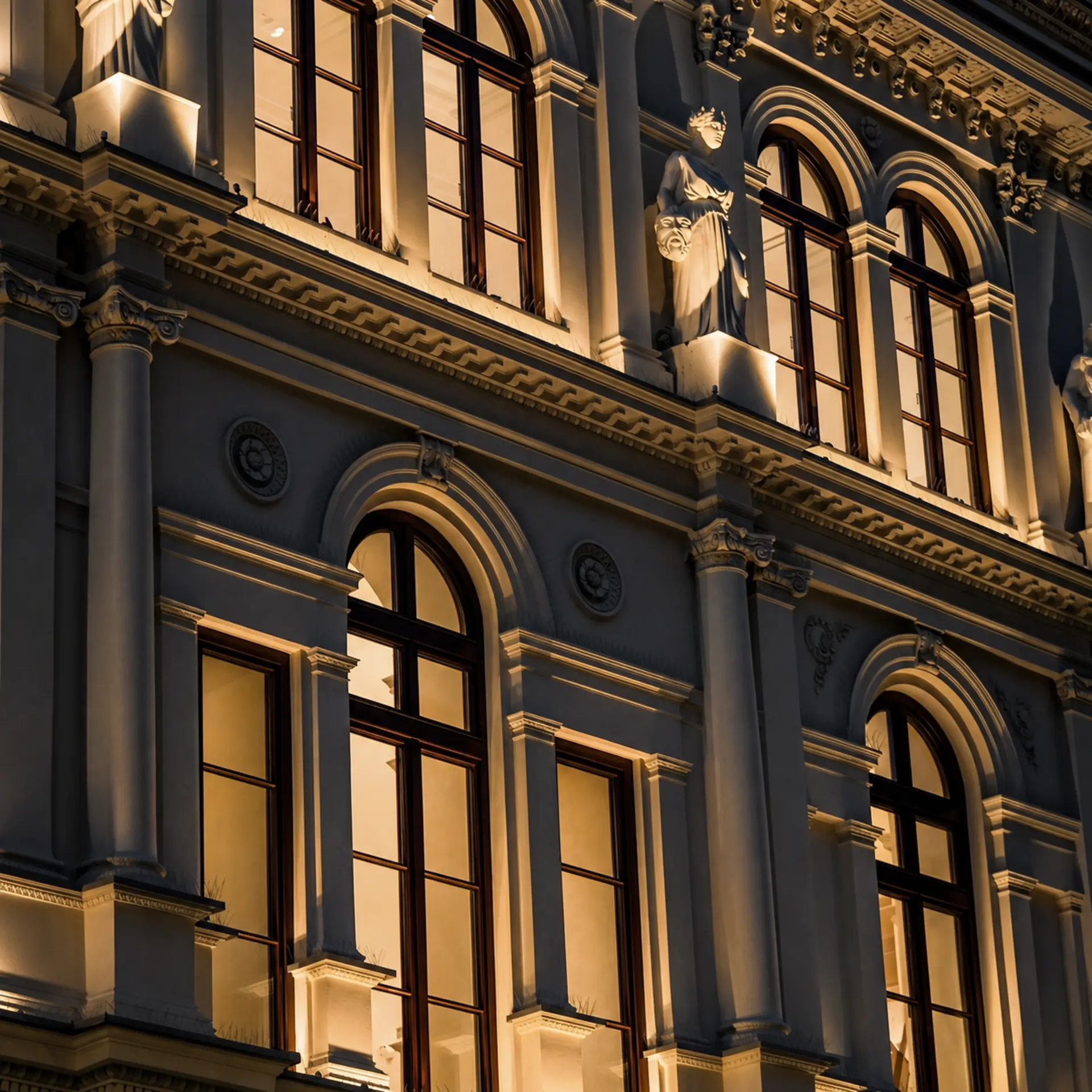
Picture a Friday evening on the historic square of a European city. Rather than sinking into darkness or submitting to chaotic yellow sodium light, the architecture of the Renaissance townhouses becomes the stage for a masterly performance. Warm streams of light pick out the detail of cornices, shadows sculpt depth into the arcades, and the central square carries a refined, atmospheric mood. Residents and visitors instinctively slow down. They take out their phones and capture the view in short videos. Within minutes those frames reach the internet – and show the city to people no local government campaign would ever reach.
Considered architectural illumination can strengthen a city's night-time identity, underline its historic character and increase the appeal of its spaces for residents and visitors. How historic buildings, squares, parks and recreational sites are lit matters particularly, because they are what constitute a recognizable image of a city after dark.
The era of traditional static illumination, meant simply to light a path, has passed for good. Modern town squares are the state rooms of entire regions. Local authorities seeking to attract global capital, new residents and discerning tourism must abandon incidental light in favor of the cinematic direction of space.
The architecture of night as relational capital
The creator of the Odoardo™ ecosystem, dr hab. inż. Marcin Jamro, applies the same principle to light: illumination should do its work without drawing attention to itself.
“Lighting a square must first do its job: let somebody cross it safely. Only then does the question begin of whether it brings out a cornice or flattens it – and that is the difference between a square somebody photographs and one they simply walk past.”
To prove the visual quality of their public spaces objectively, progressive cities and regions apply for certification within The Filmable Book by Odoardo™. This prestigious curatorial annual gathers only those locations that meet a strict visual standard. The assessment concerns the visual layer of public space alone and does not extend to investment policy or the quality of local government services.
Four stages of assessing urban space
What distinguishes The Filmable Book by Odoardo™ is its complete independence – an entry in the book cannot be bought from a public budget, and the process is entirely free, which given the scrutiny of local government spending is worth noting. The process consists of four consecutive stages:
The opening frame (status: submitted). City leaders or designated officials upload a single authentic shot of the illuminated square. No professional session is required – the system is looking for the truth of a space. A smartphone photograph will do: the reflection of a lit town hall tower in rain-wet cobbles, or the play of light on the façade of a historic townhouse. The frame goes to curatorial review. The public profile, the spread stamped with its status and the materials for sharing are created only upon nomination.
The curatorial seal (status: nominated). The submitted frame goes for manual verification by the curatorial team. Experts assess the cleanliness of the composition and the absence of visual pollution (unsightly cables, aggressive advertising). Receiving the gold seal of nomination is formal confirmation that the night-time identity of the square has been designed to the highest level.
Residents' support (status: distinguished). To be recorded permanently in the annual edition, the square's profile must register 500 unique visits. City offices announce the nomination through their own channels and local media. The matter concerns a square residents walk across daily, so the message reads differently from ordinary promotional information.
Oak prestige (status: laureate). The finest urban illumination projects are chosen by the jury and awarded Laureate status along with a certificate in a hand-made oak frame, ready for display in the town hall. Winners gain two further pages in the book for an exclusive interview with the mayor or the lead lighting designer. That amounts to four pages of elite presentation in total, entirely free of charge.
The digital and physical ecosystem of urban fabric
Obtaining cinematic certification of the night is a foundation for the further development of a smart city. When tourists and residents record their admiration on the square, the virtual director Odoardo Lens™ guides them through curated frames with cinematic color grading, and material is published with their consent – the mechanism is described in Digital word-of-mouth.
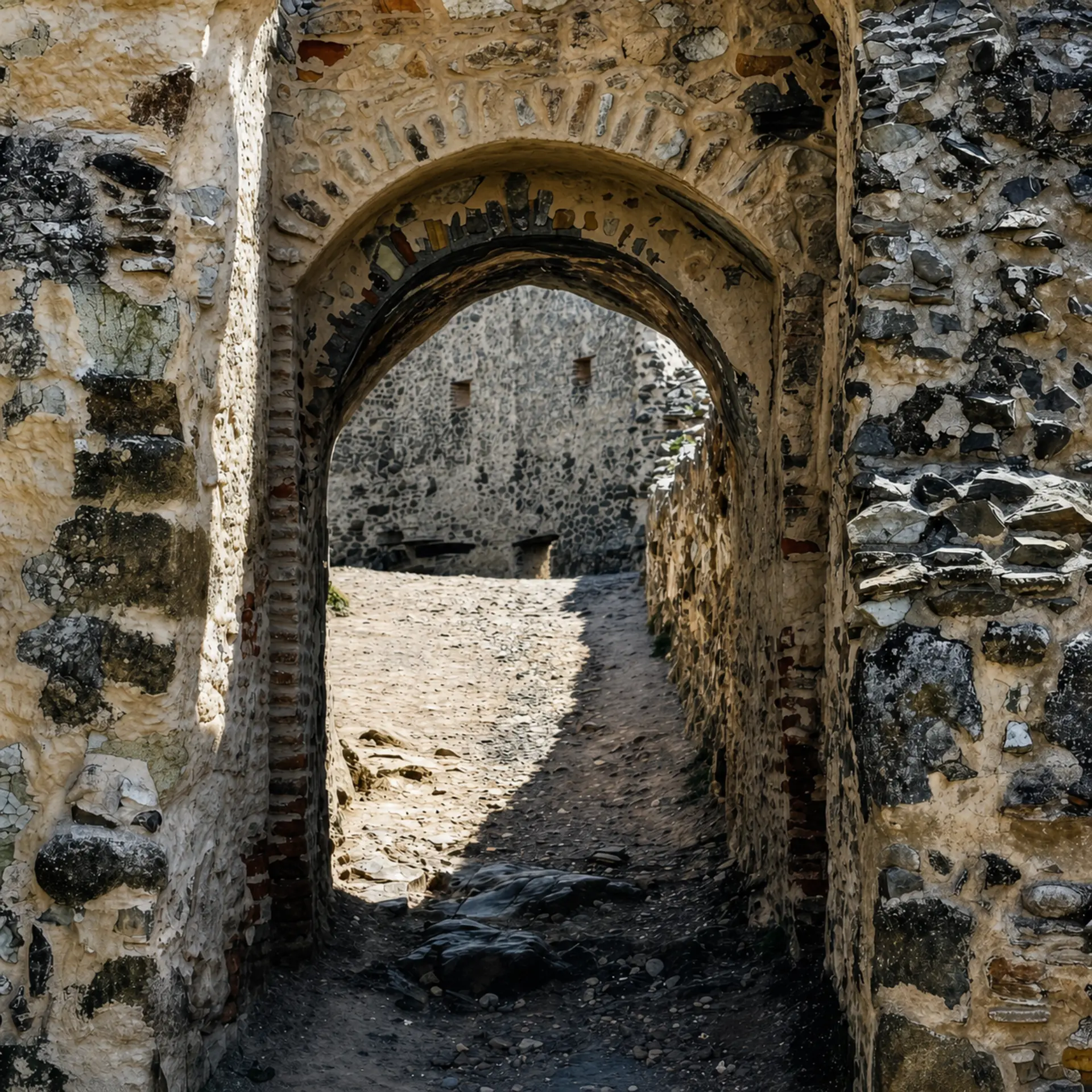
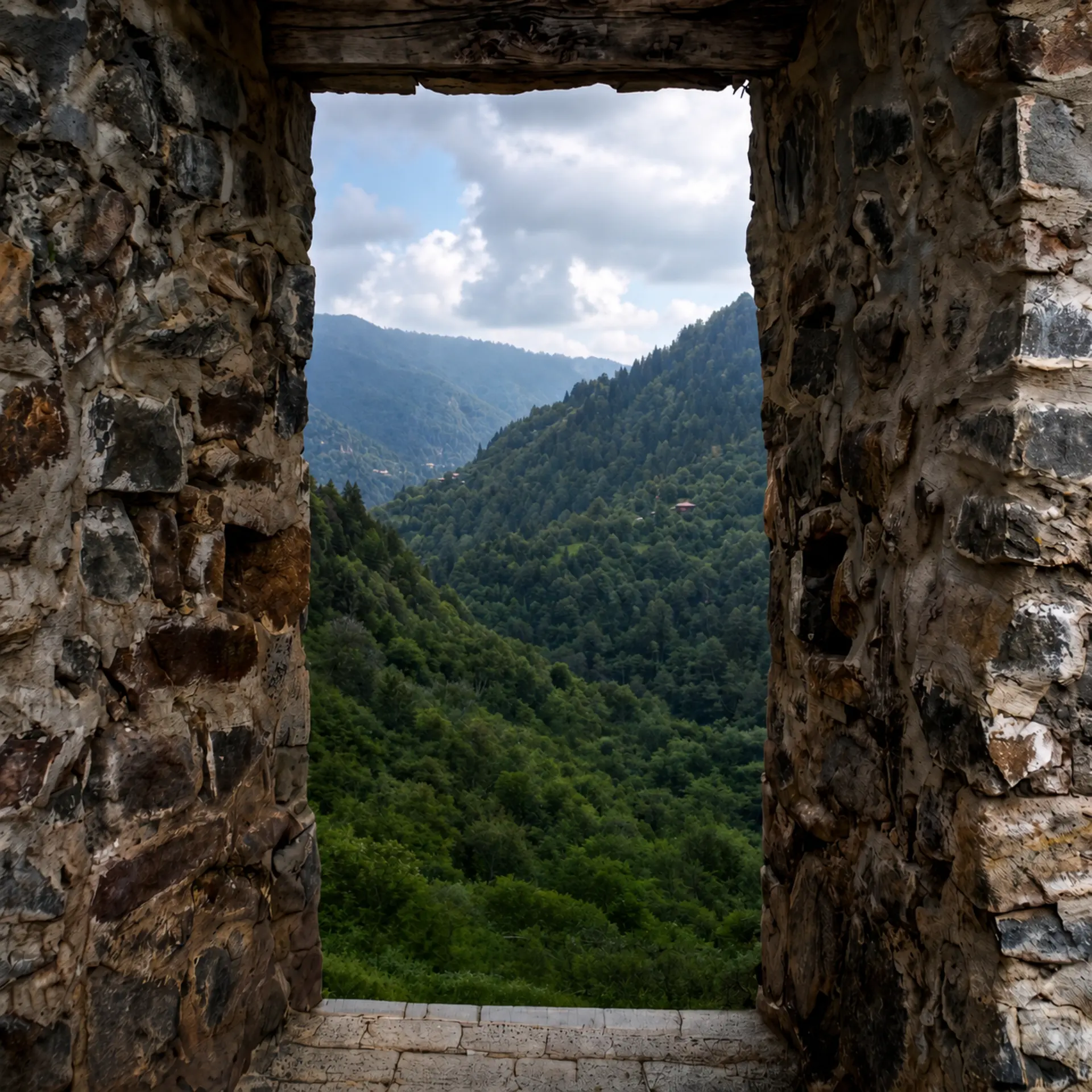
To keep historic space free of technical clutter, cities deploy the animated matter of Odoardo Soul™. In a bespoke deployment it allows illumination control modules, urban sensors and sound systems to be concealed within the structure of solid street furniture, stone or wood, removing cables and distribution boxes from walls – the same principle of non-invasiveness is described in Discreet AI in historic hotels and palaces.
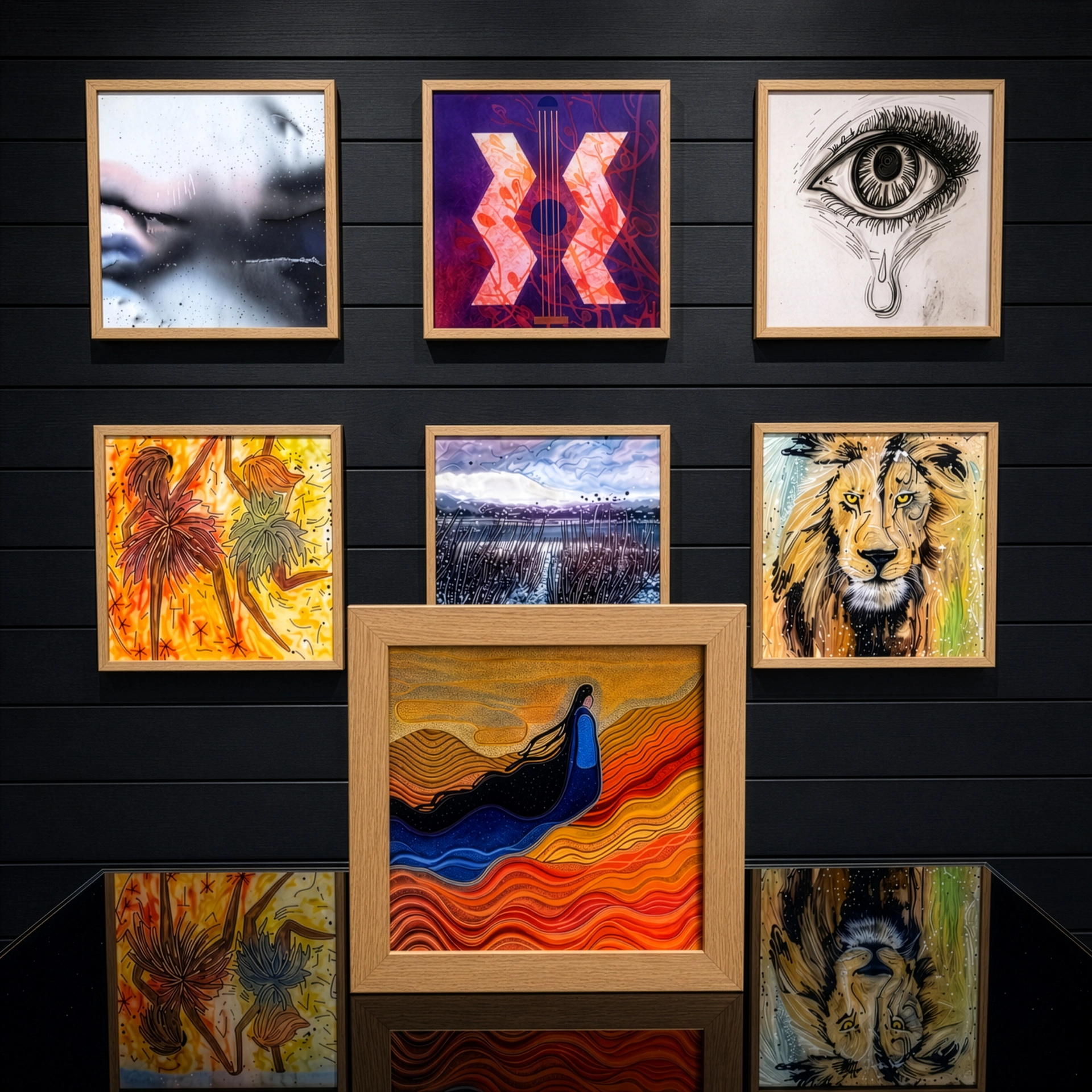
Historic squares become open galleries when their space is enriched with rotating installations from Odoardo Art™ – why a changing display works better than a fixed one is explained in The psychology of changing space. In quiet zones and pocket parks, the oak conversation tools from Odoardo Alibi™ encourage passers-by to put down their phones, which we cover in The phenomenon of continuous partial attention. Official regional tourism portals are worth anchoring to a premium address from the Odoardo Space™ portfolio, beyond anyone else's reach – the argument is developed in Local government and political diplomacy.
A city's night-time image is created regardless – the only question is whether from frames that bring out cornices or from those showing a distribution box on a façade. Illumination settles that more cheaply than any campaign.
Cities present in the book are listed in Odoardo™ research. We gathered related conclusions for representative halls of public offices and for viewpoints.
 Odoardo Soul™
 Odoardo Alibi™
 Odoardo Art™
 Odoardo Lens™
 Odoardo Space™