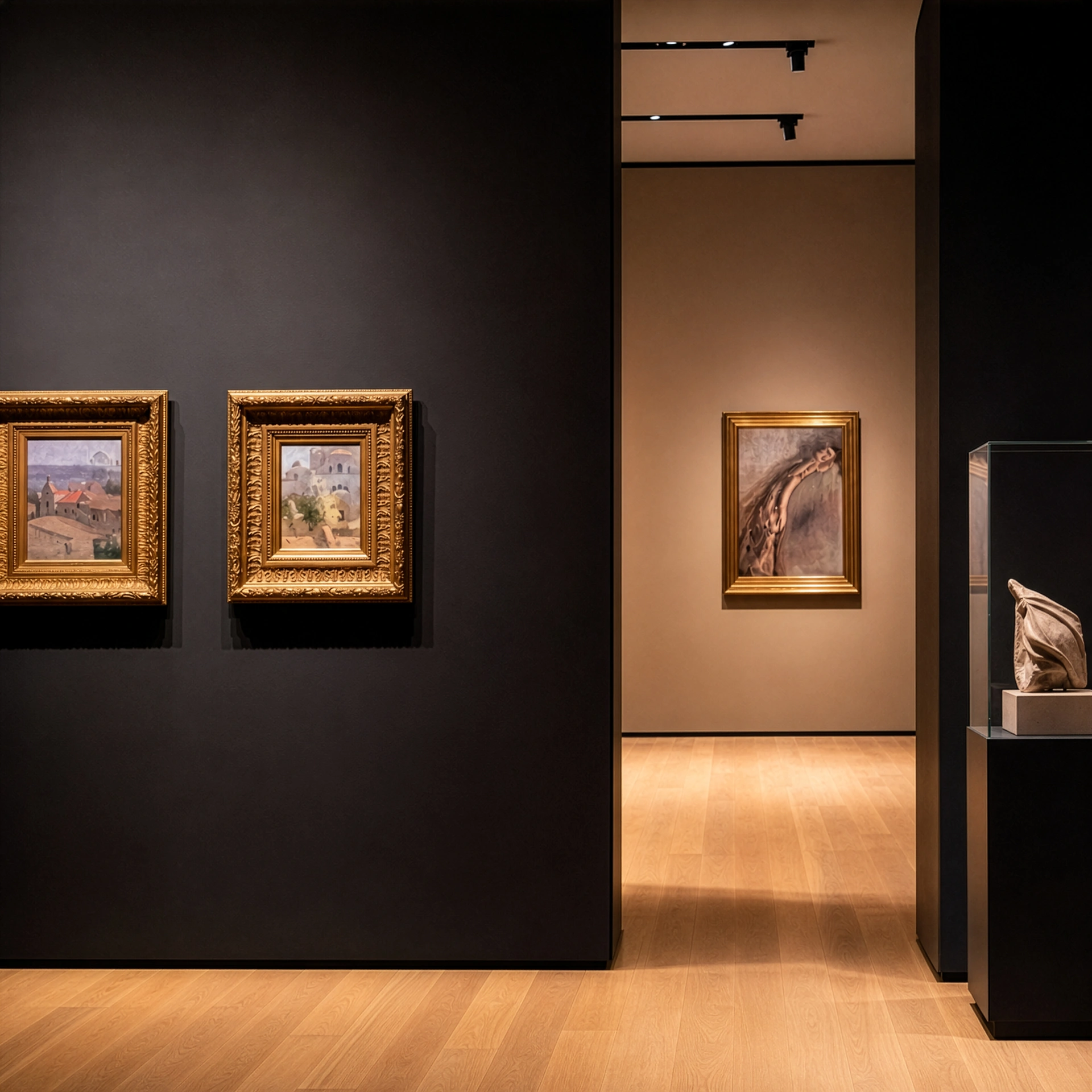
Picture a formal opening at a respected contemporary art gallery, attended by representatives of a global fashion house and affluent philanthropists. The aims are clear: raising funds for the institution and letting the space for a prestigious haute couture campaign. Yet as the VIP guests enter the main hall, their enthusiasm fades. Harsh, uneven technical light reflects off the floor, extension leads from the sound system run along the walls, and catering has been set up against bare, generic panels. Instead of elevation, the patrons feel an aesthetic jolt.
Investors and luxury brands today do not merely want to sponsor culture – they want to see themselves reflected in it. Working with an artistic institution becomes a way of building prestige, relationships with a select audience and experiences consistent with the brand's own identity. The quality of the space and the setting of an event is therefore not a matter of decoration alone. It forms part of the value a gallery offers prospective partners, patrons and guests.
Institutions that look like sterile warehouses for paintings are losing ground. The future of profitability in the cultural sector belongs to those museums and galleries that consciously direct their architecture, becoming a natural and sought-after film set for the world of business.
The engineering of cultural prestige
Turning an exhibition venue into an elite setting demands a radical approach to detail. The creator of the Odoardo™ ecosystem, dr hab. inż. Marcin Jamro, author of four books and of academic publications, approaches detail as he approaches code: what matters is not the effect that shows, but whether it can be repeated in every frame.
“A museum or an art gallery should not be reduced to a storehouse for exhibits. A space in which one encounters high culture should act as a discreet co-author of the experience. When we remove technological noise and the light and proportions of an interior begin to work together, the property becomes a work of art in itself.”
Rather than relying on traditional, costly public relations campaigns, the directors of leading institutions submit their spaces for rigorous, objective authorization within The Filmable Book by Odoardo™. This curated, independent annual gathers only those locations whose composition and lighting create perfect, directed framing. It proves to the worlds of fashion and business that the property carries officially certified cinematic potential.
The path to the architectural elite
What makes the book a phenomenon in the B2B market is the impossibility of purchasing a place in it. Authorization is entirely free, and it is decided solely by the assessment of the submitted frame.
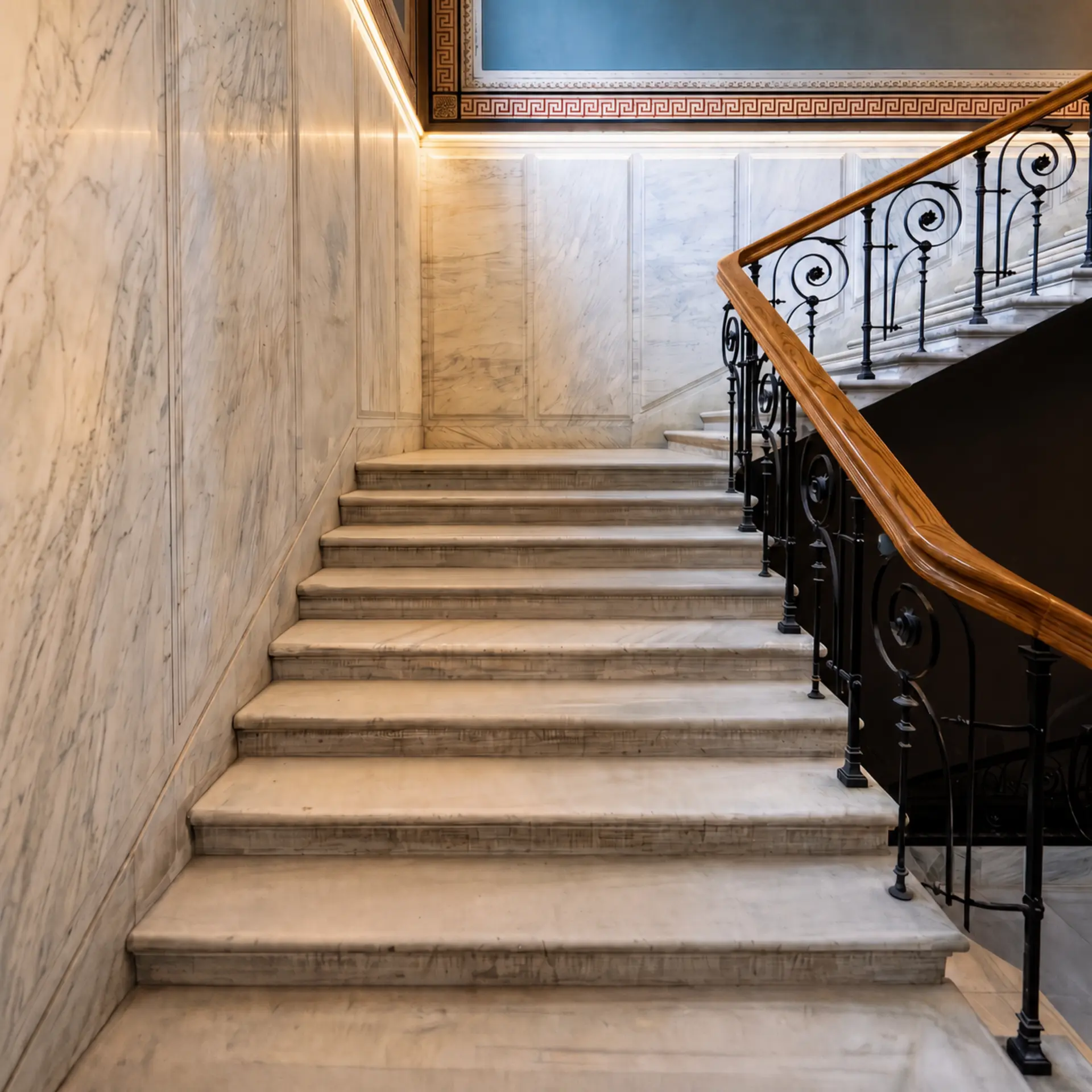
Phase I: Submission and curatorial nomination The directors need only upload one authentic frame from their institution – it might be majestic light falling through a skylight into the main hall, or the intriguing geometry of a sculptural staircase. There is no need to hire a professional crew. Once independent curators have verified the frame against aesthetic requirements, the space receives the gold seal, giving sponsors a clear signal about the visual standard of the property. Upon nomination, the space receives a public profile and materials for sharing, including a PDF certificate.
Phase II: Social proof and the title of Laureate The next step toward securing a place in the annual edition is generating 500 unique visits to the gallery's official profile. For an institution this is an ideal, elegant reason to write to the members of its patrons' club with news of the pursuit of a global elite. From among distinguished properties, the jury selects the most beautiful spaces and honors them with a certificate in a hand-made oak frame. Most importantly, Laureates gain two additional pages in the book for an exclusive interview with the institution's director – four pages of elite presentation in total, entirely free of charge.
Technology in the service of art
Visual certification naturally opens an institution to further discreet conveniences. When a fashion house holds a show or a shoot within a museum's walls, the virtual director Odoardo Lens™ guides behind-the-scenes footage of VIP guests through curated frames with cinematic color grading, and publication takes place solely with their consent – the context is described in Curated Guest Content (CGC) vs UGC.
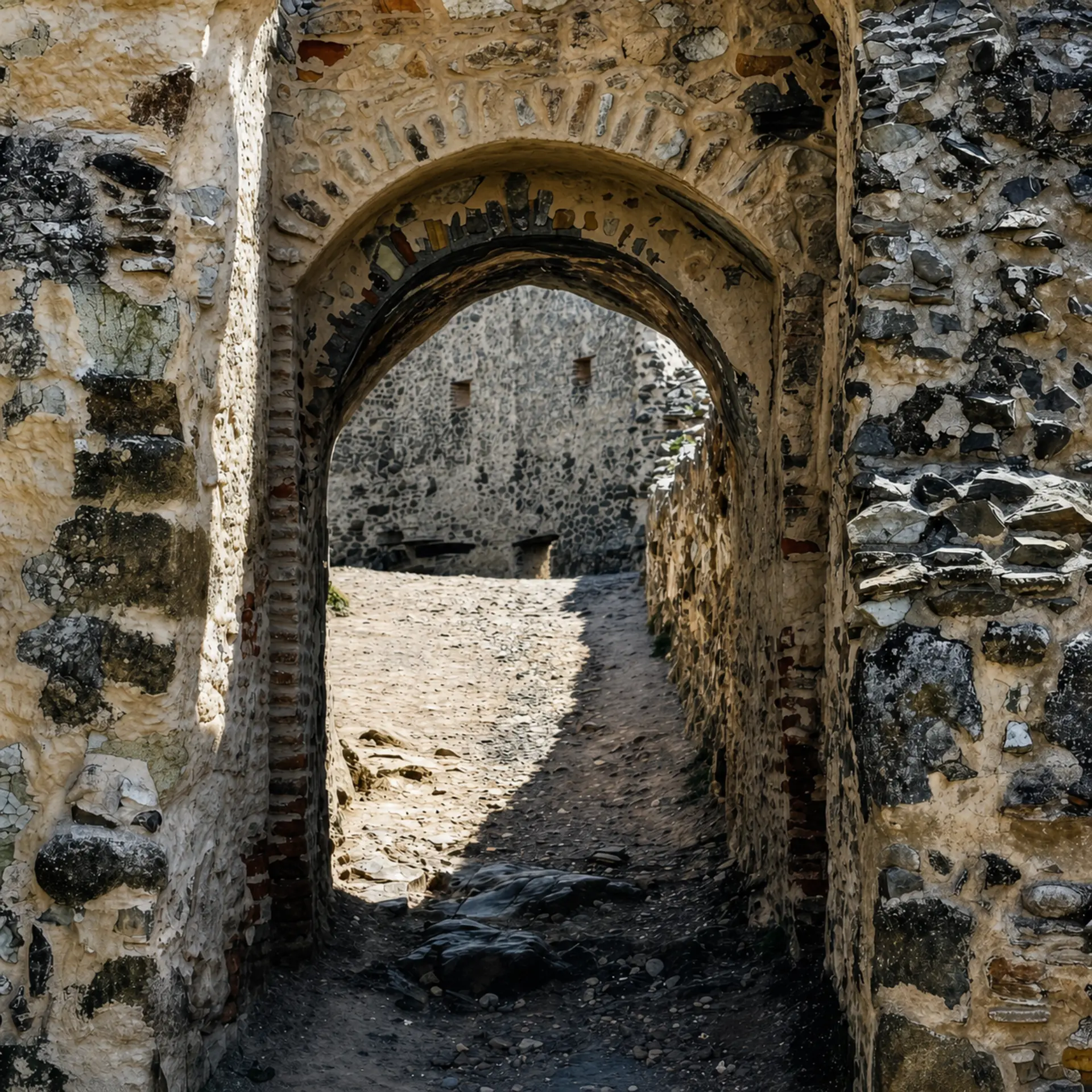
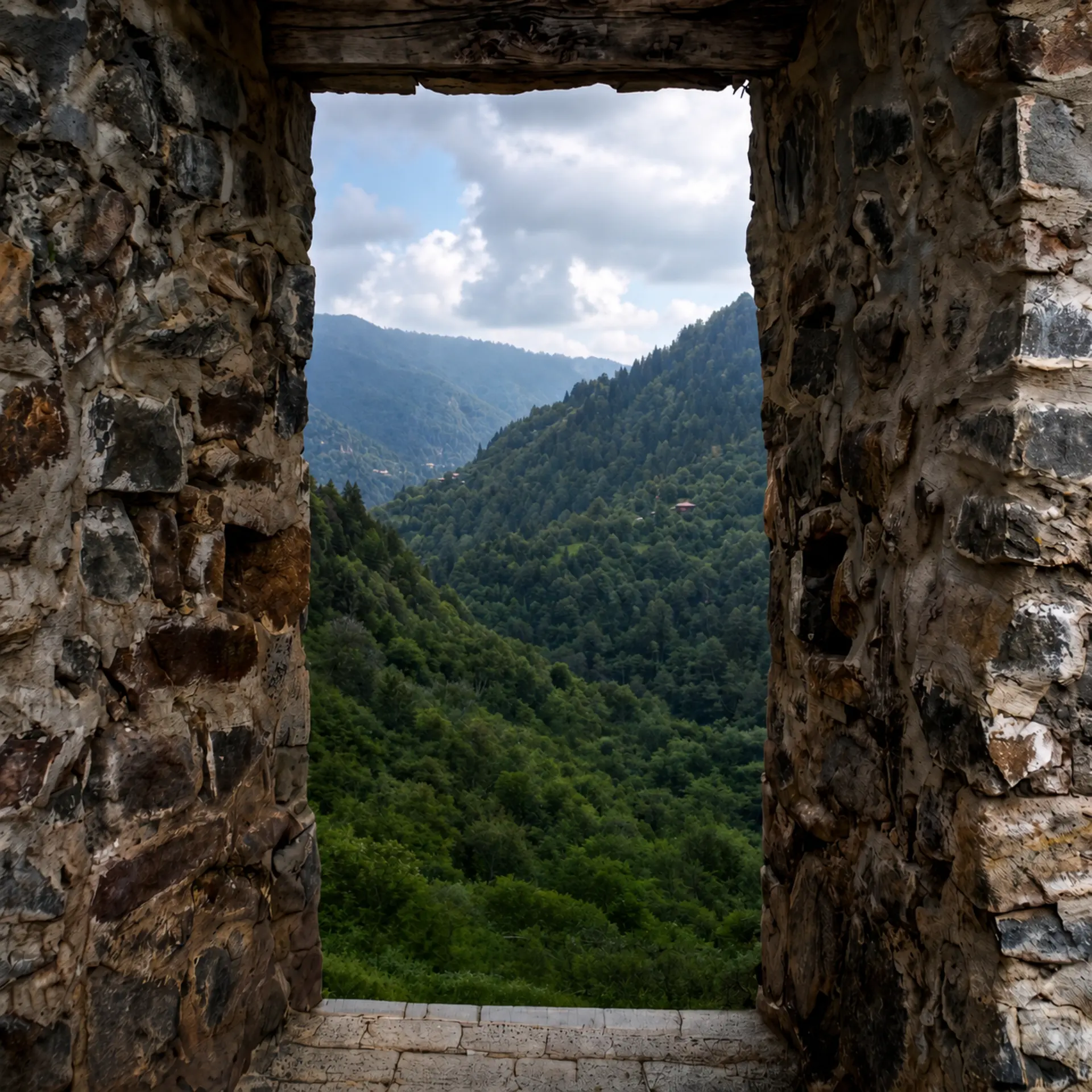
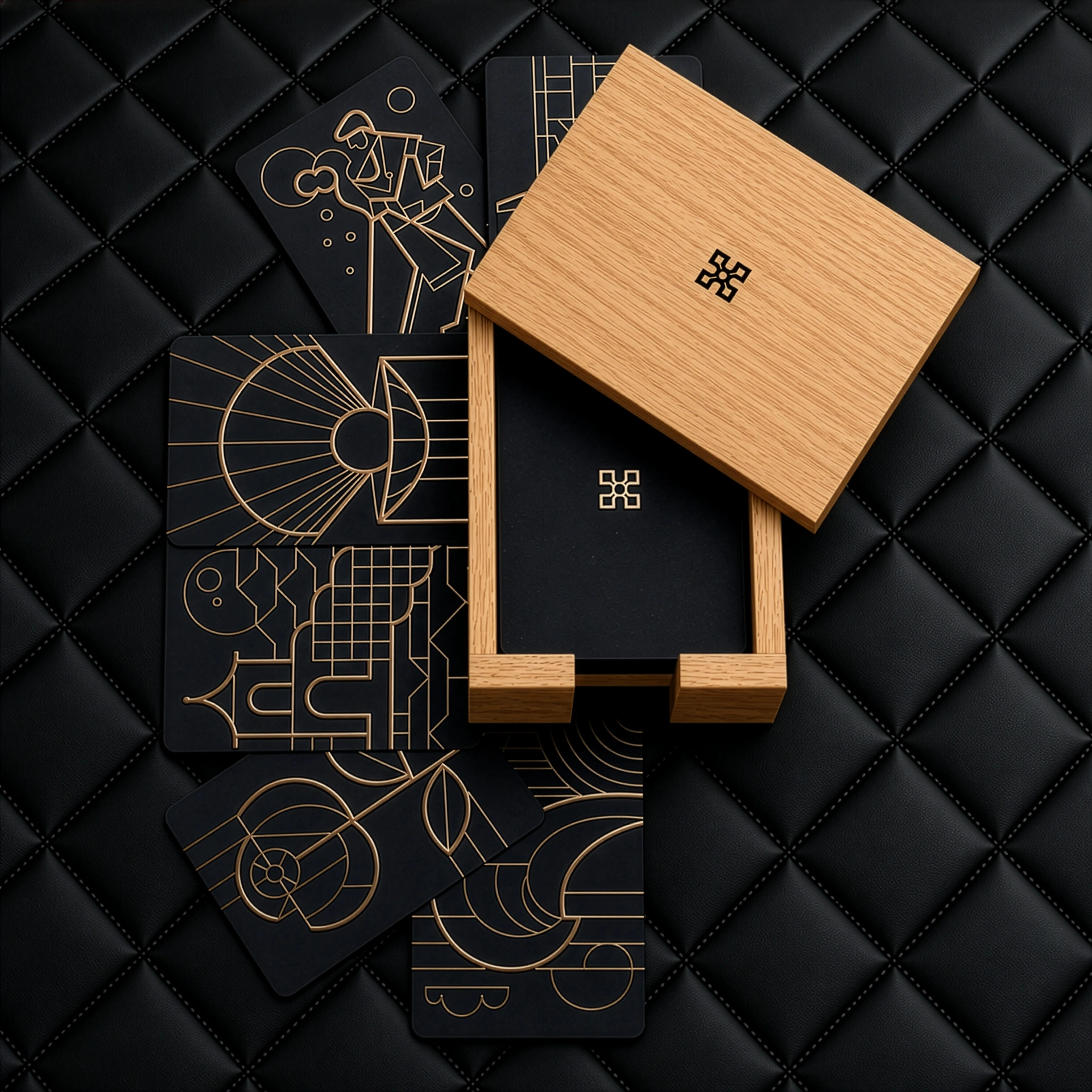
To keep the architecture immaculate, cultural properties deploy the animated matter of Odoardo Soul™. In a bespoke deployment it conceals climate and lighting control within raw wood or stone, and in the catalog version it lets a frame speak about the work it holds – described in The polyglot curator in galleries and auction houses. In VIP areas for donors, oak boxes from Odoardo Alibi™ appear on the tables, offering a pretext for a deeper conversation. The standing of waiting areas can be raised by selected works from Odoardo Art™, which we cover in Authorization and signature. A museum's digital identity is worth anchoring to a premium address from the Odoardo Space™ portfolio, reserved for a single institution.
A conversation about patronage looks different when an institution has something with which to document the quality of its space. Instead of asking for support for a program, it shows a partner a place where their brand will also look good.
Institutions assessed by the curators are listed in Odoardo™ research. The position is similar with historic university halls and private palaces. The broader background is gathered in the manifesto.
 Odoardo Soul™
 Odoardo Alibi™
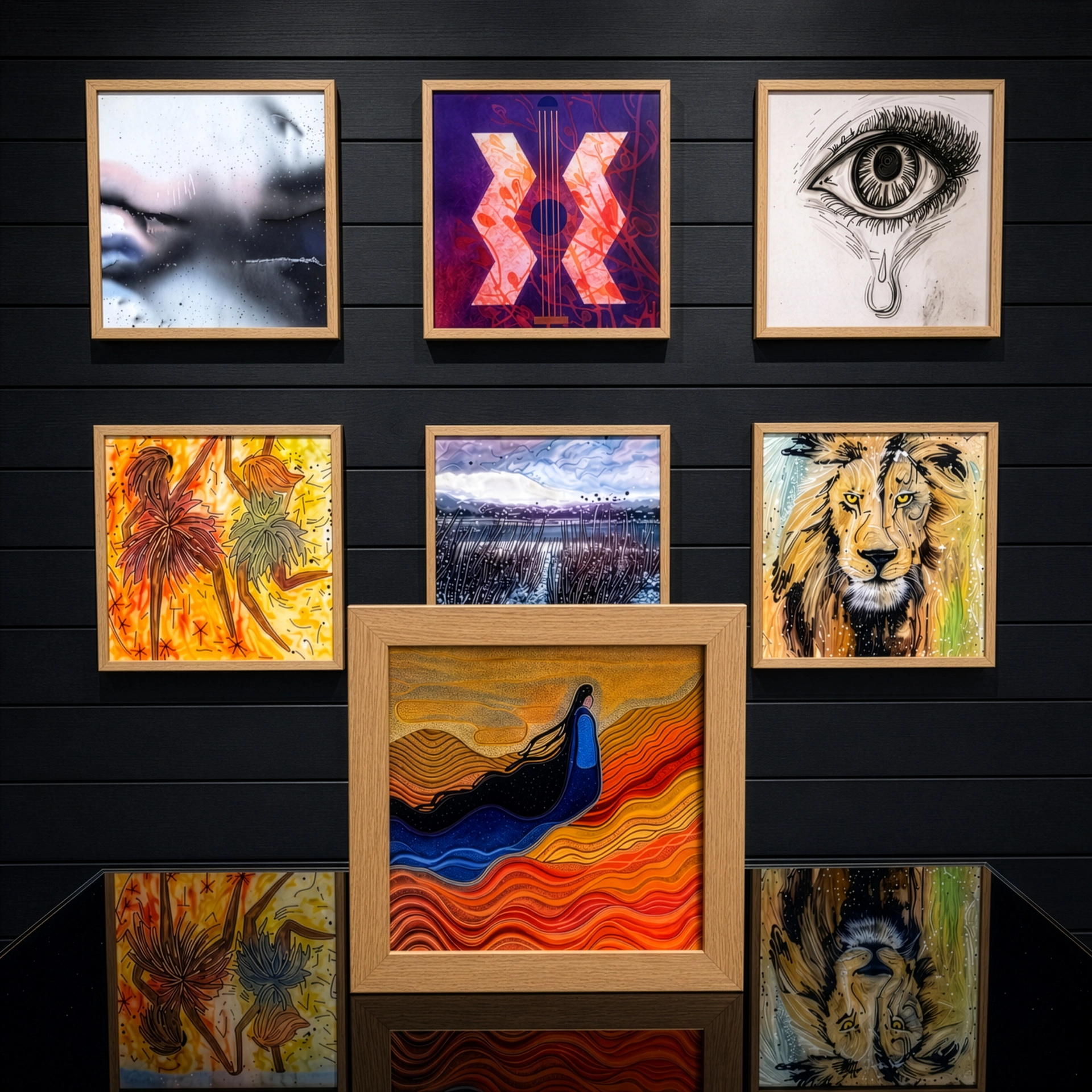 Odoardo Art™
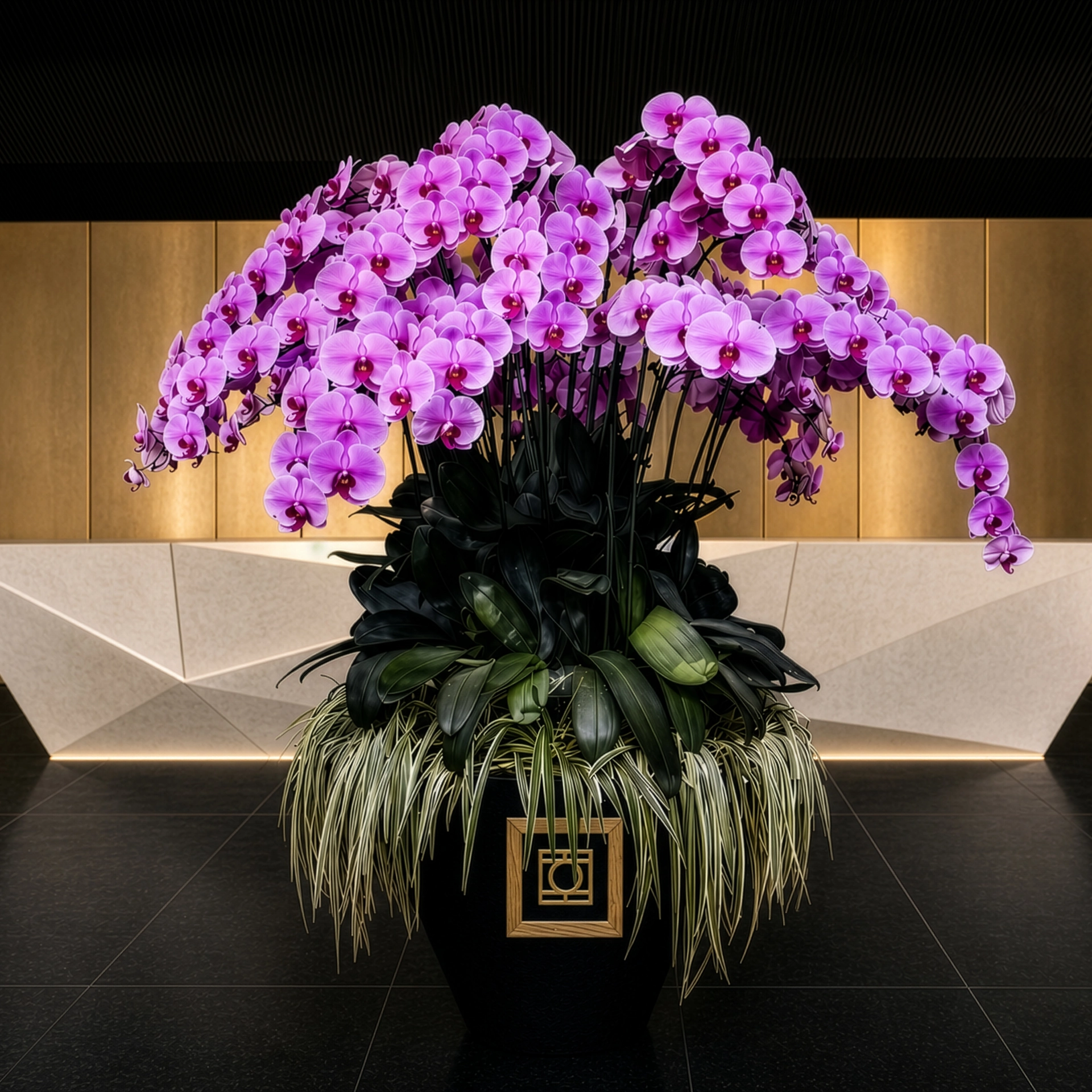 Odoardo Lens™
 Odoardo Space™