Imagine a closed, private opening at a prestigious auction house. A collector from abroad stops in front of a seventeenth-century canvas by a Flemish master. He is intrigued by the play of light and the texture of the paint, but his personal adviser is at the other end of the room, and the head curator is showing another group of investors around. The only source of knowledge about a work valued at hundreds of thousands of euros becomes a plastic QR code stuck to the wall or a bulky, awkward audio guide. The concentration the canvas built over several minutes is broken by a struggle with a clumsy interface.
Today's art market rests on many channels of contact, yet the relationship with a gallery, an adviser or an expert still plays a decisive role in the purchase process. For an international collector from the high-net-worth individuals segment, what counts is being able to obtain discreet and comprehensible information quickly about a work's provenance, its context and its artistic significance. Lack of access to such knowledge can increase uncertainty and make a decision harder at the decisive moment of a transaction.
Aesthetic sabotage: why do QR codes destroy prestige?
For years, art galleries and museums have tried to solve the problem of multilingual communication by introducing digital labels. Unfortunately, the collision of classical painting with garish, mass-market technology rarely ends well. Placing black-and-white pictograms right next to gilded frames, or forcing elite guests to install dedicated applications for the duration of an opening, stands in complete contradiction to the current of quiet luxury.
For an affluent connoisseur, the process of getting to know a painting should be as noble as the canvas itself. It requires full concentration, silence and effortless elegance. When that process is disturbed by the frustration of a scanner in a phone that will not work, the perceived value of the whole auction house can noticeably drop.
A gilded frame that speaks
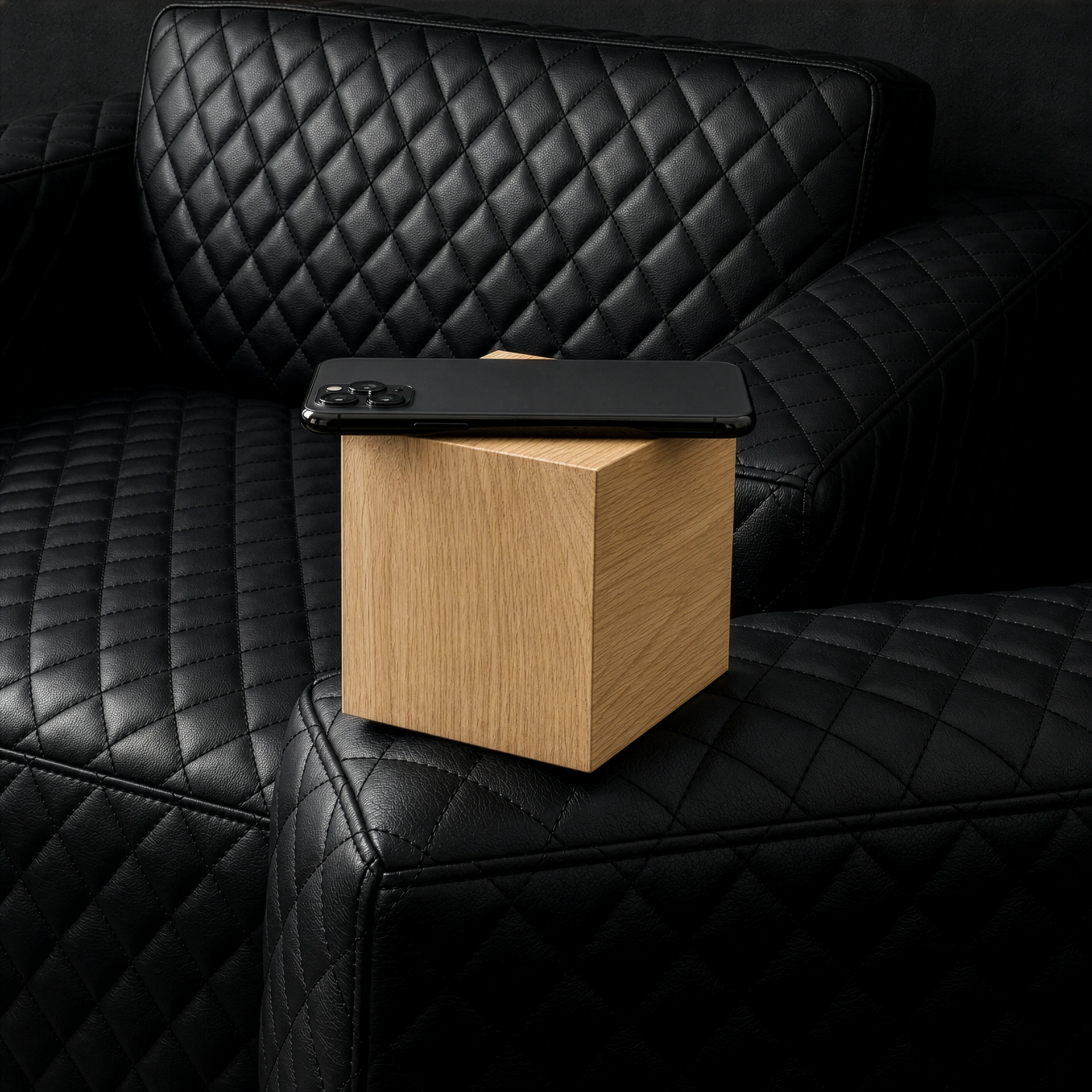
The answer to the need to preserve absolute visual purity is to introduce the contextual physical interfaces of Odoardo Soul™. This technology allows advanced artificial intelligence to be hidden entirely within the architecture of the display – or more precisely, within the structure of a picture frame.
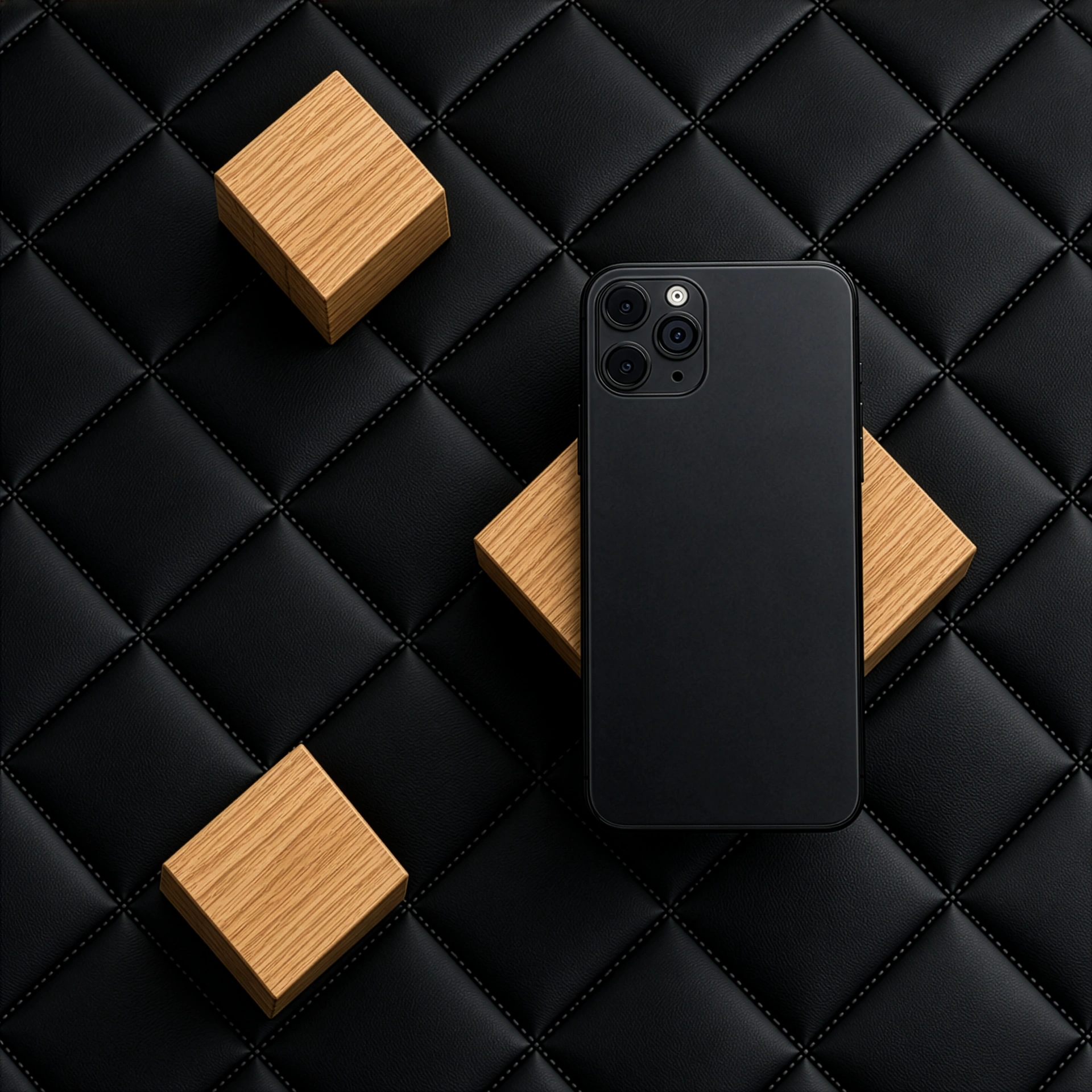
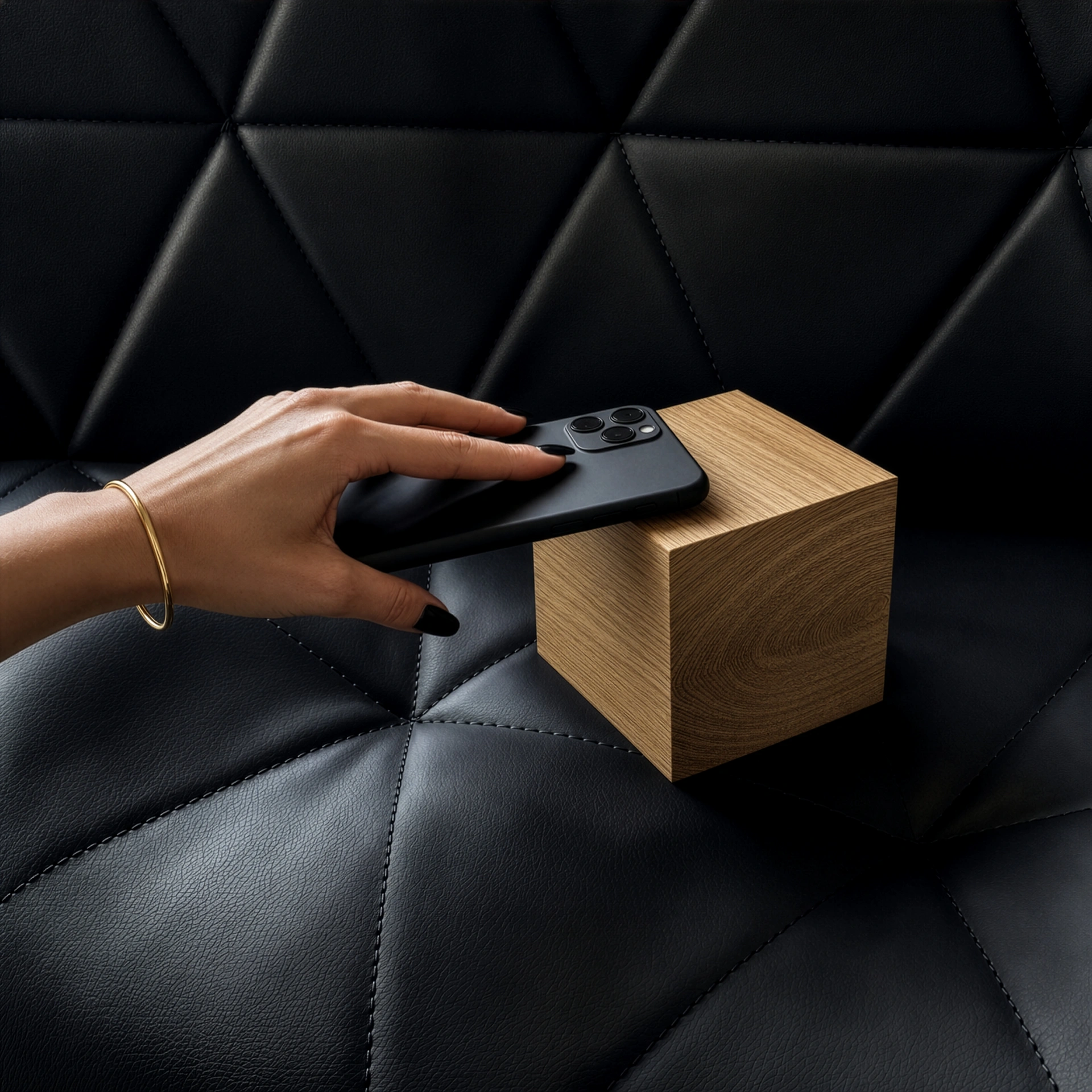
An invisible microchip is fused into the wood. There is no place here for displays, LEDs or protruding cables. When a foreign collector wants to explore the secrets of a canvas, he simply brings his unlocked phone gently close to the edge of the frame. That single, fluid and soundless touch instantly wakes the polyglot curator.
Animated matter recognizes the language set on the visitor's phone and, with no application to install, begins the story in that very language directly in the browser. The collector chooses nothing from a list and hunts for no version of his own – he receives the painting technique, the history of previous owners and the symbolism of the work at once, in the tongue he knows best. When interest turns out to be serious, the same interface allows him to reach the director of the auction house directly and discreetly.
The architecture of art and complete discretion
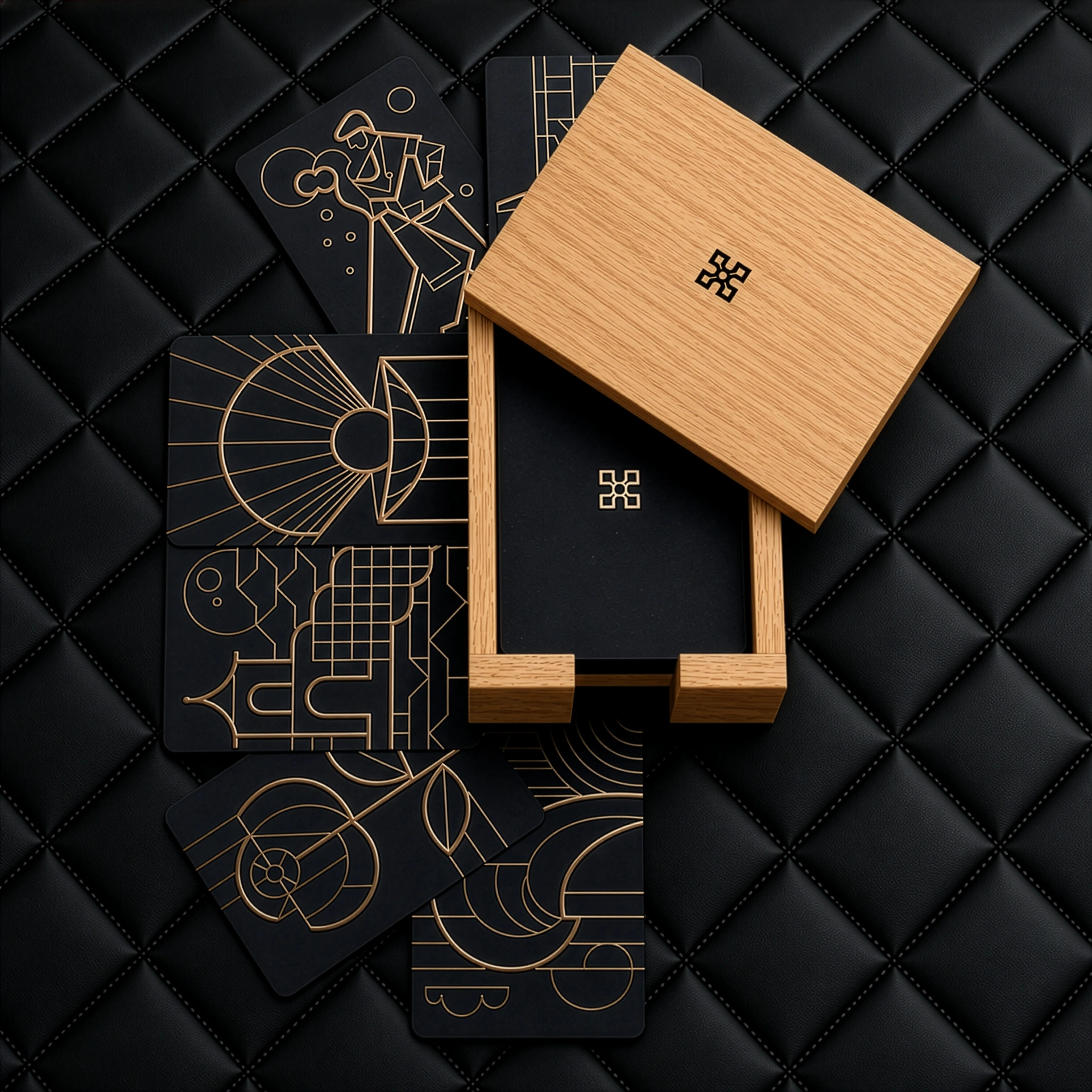
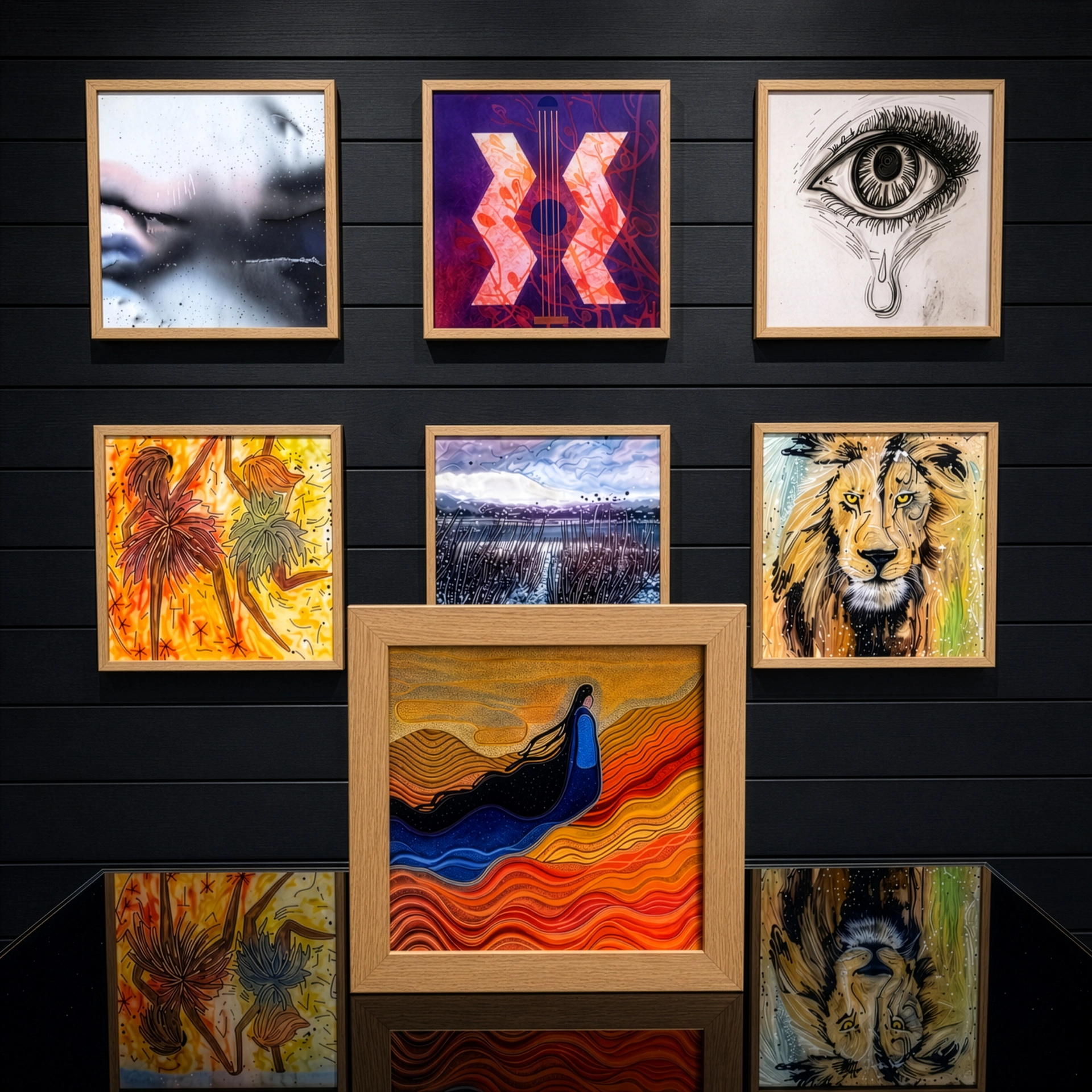
Replacing archaic methods of communication with animated matter is only the beginning of designing refined experiences in galleries. Truly elite spaces attend to holistic perception. Auction houses can, for instance, complete their interiors by introducing rotating art from Odoardo Art™, framed in noble oak – on the weight of a signature and numbering see Authorization and signature. In quiet VIP areas, meanwhile, where the most important financial negotiations take place, the unobtrusive cards of Odoardo Alibi™ can become a tool for building long-term relationships based on trust, which we develop in Corporate gifting with class.
Managing the image of works being sold in the digital space is also extremely important. When a delighted collector wants to capture the moment of communion with a remarkable canvas on video, the cinematic standard comes to the rescue. Thanks to the hidden virtual direction of Odoardo Lens™, a gallery can lead guests through curated shots with appropriate color grading – this is described in The role of lighting and color grading. The Curated Guest Content (CGC) created this way is published solely with the guest's consent. And for that narrative to lead to sovereign territory online, an auction house should base its identity on an address from the Odoardo Space™ portfolio, reserved for a single institution.
Respecting the visual integrity of works is the foundation of modern exhibition practice. The creator of the Odoardo™ ecosystem sums up this relationship:
“A work of art is the point of focus around which the whole space of a gallery is built. Trying to stick a QR code onto the frame of a seventeenth-century canvas is aesthetic sabotage that can destroy the seriousness of an institution. Real innovation is a digital curator with the courage to become invisible. By hiding knowledge inside the wood and waking it with a single touch of a phone, we give art the respect it is owed, and the collector the luxury of unhindered, calm understanding in their own language.”
The language barrier at an opening is rarely named outright, and yet it decides how much a guest manages to understand before walking away from a painting. When a gilded frame takes on the role of multilingual expert itself, while keeping its silence and the purity of its form, the curator stops being a bottleneck and the work stays at the center of attention.
Why the story of a work should wait for the viewer's question is explained in the Odoardo™ manifesto.
 Odoardo Alibi™
 Odoardo Art™
 Odoardo Lens™
 Odoardo Space™