Founding and running an independent luxury boutique hotel is most often the fruit of uncompromising passion. Investors restore historic villas with reverence, choose artisanal furniture and build a unique atmosphere of intimacy that the global hotel chains can only envy. In a search engine, however, this signature vision lands in the same template as everything else. When a prospective guest looks for exceptional accommodation, the first results usually belong to the aggregators (OTA). As a result, for the privilege of hosting a client in their own, carefully designed property, the independent hotelier must pay commission to an intermediary. This is a systemic drain of capital that can effectively hold back the development of the most promising places on the map of high-end hospitality.
The asymmetry of forces and the loss of digital identity
The greatest challenge for an independent property is not a lack of services of the highest quality, but a limited budget for visibility on the internet. When a hotel decides on a presence in OTA services, it falls into the so-called commission cascade. Intermediaries take control of the cancellation policy, of communication with the guest before arrival, and not infrequently impose rigorous pricing conditions. What is more, hidden fees for external software compound the losses, which we explain in detail in the analysis The hidden costs of guest acquisition (CAC).
One attempt to escape this phenomenon is reliance on organic word of mouth on social media. Unfortunately, the spontaneous, amateur User-Generated Content (UGC) created by the visitors themselves often does the brand more harm than good. Blurred frames, poor exposure and unnatural filters deform the real prestige of a place, which in effect may lower the perceived value of a boutique hotel. Understanding this risk is made easier by reading the article Curated Guest Content (CGC).
Sovereignty through the direction of impressions
To become independent of corporate dictate, independent boutique hotels have one asset the platforms cannot buy: the guest's delight, framed by the cinematic standard. The deployment of advanced solutions such as Odoardo Lens™ creates the chance to transform that delight into an extraordinarily effective, fully controlled channel of distribution.
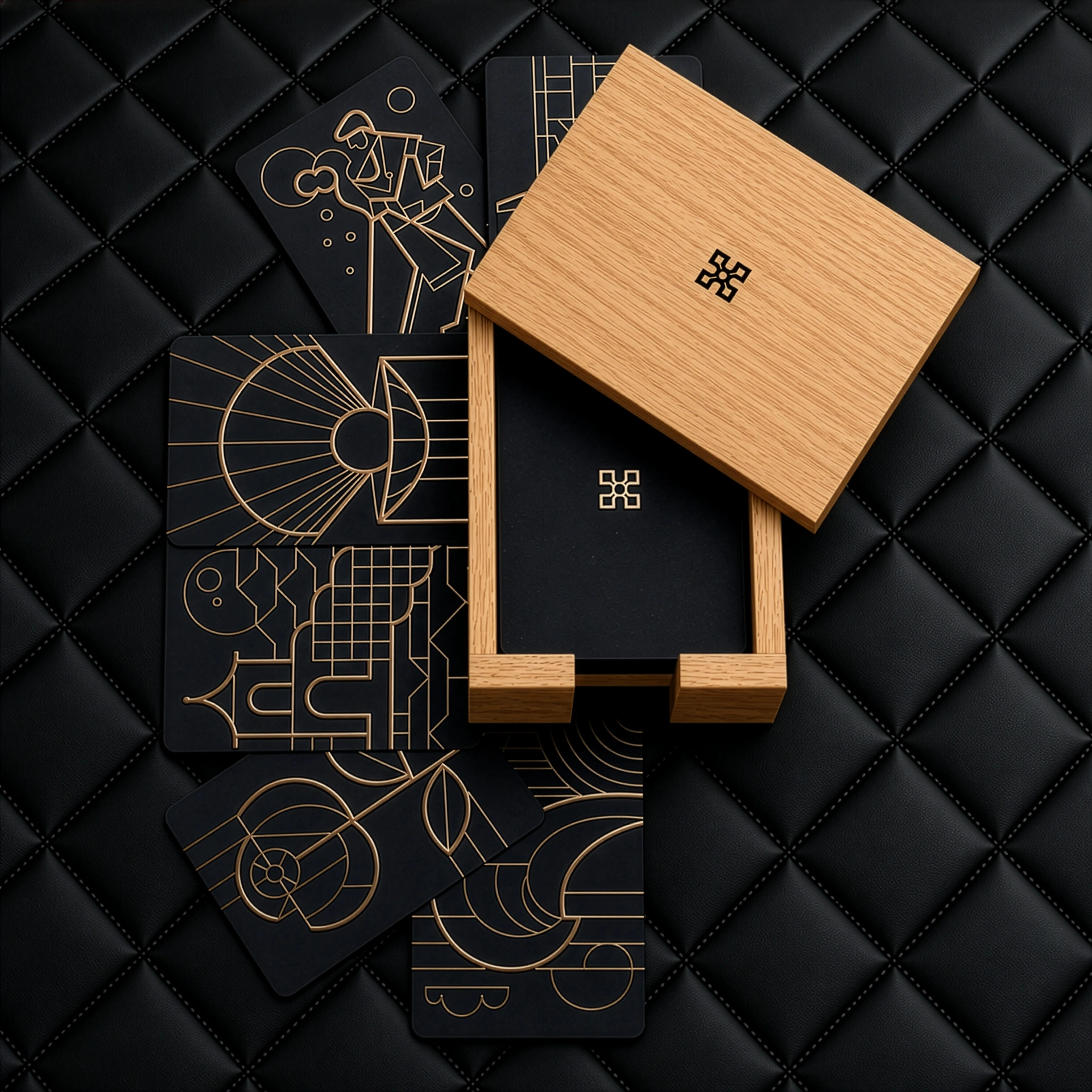
It begins with a single object, in accordance with the principles of quiet luxury. In the suite, the guest finds a black card finished with 3D gilding. Touching it with a smartphone wakes a hidden interface, with no need to download invasive software. The advantage of this approach is diagnosed by the text Technology without barriers. The system acts as a virtual assistant, prompting optimal frames and carrying out subtle upselling on wellness services or signature dishes. The color grading applied in the background means a chaotic film turns into Curated Guest Content (CGC), which goes nowhere without the guest's consent.
Taking back the margin and protecting independence
When a delighted guest publishes a video postcard directed in this way, it reaches their carefully selected group of friends. The key here is the aesthetic button placed in the player, which encourages a check of availability. A click carries viewers straight to the hotel's booking engine.
This optimized process initiates Direct Booking. Bypassing intermediaries means the margin stays in the property, and with the low marginal cost of serving an additional booking, this translates directly into operating profit. The phenomenon is analyzed by the article GOPPAR vs RevPAR. Moreover, high visual quality allows one to resist pressure for reductions and to protect the Average Daily Rate (ADR) indicator, of which the text Defending ADR reminds us.
A holistic ecosystem of discretion
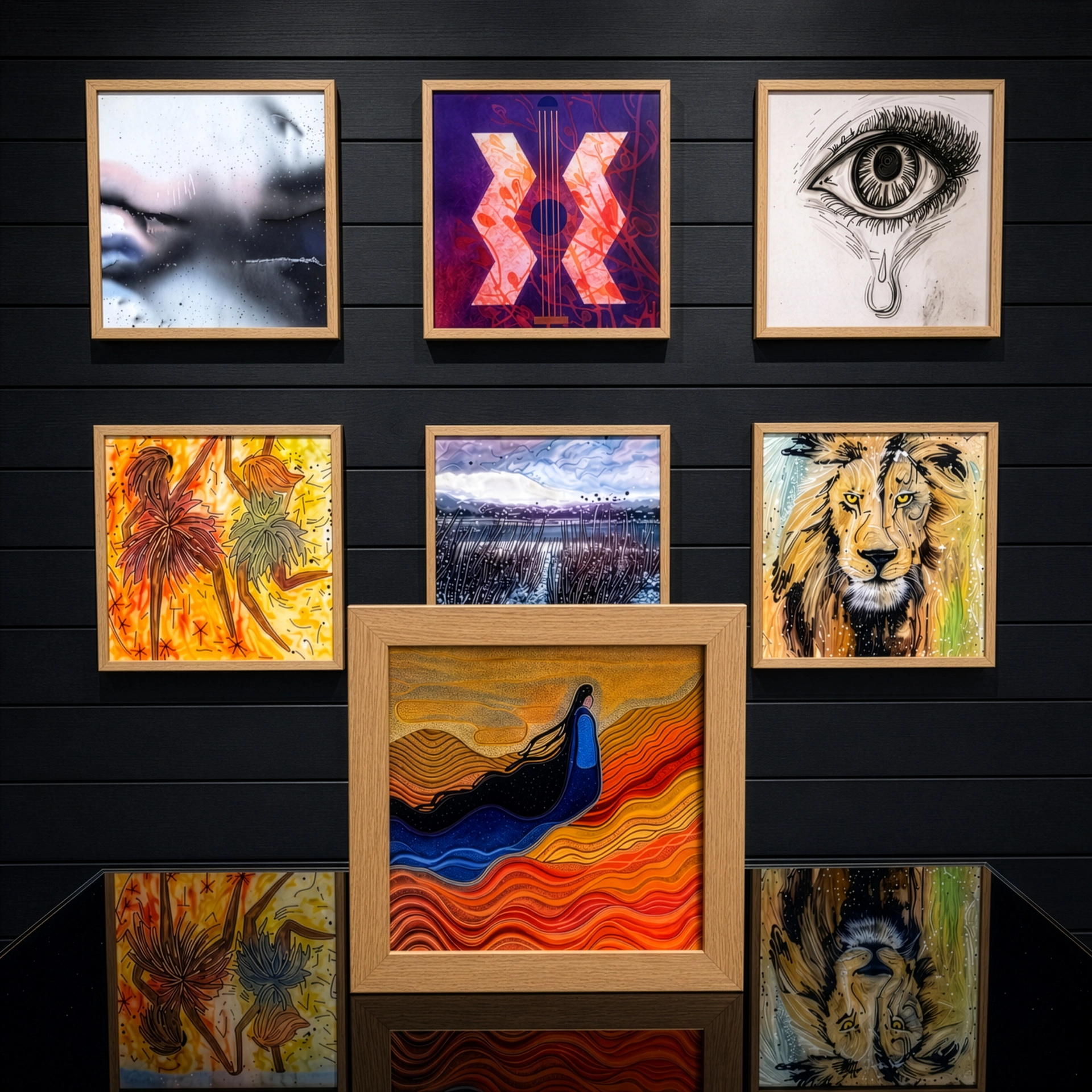
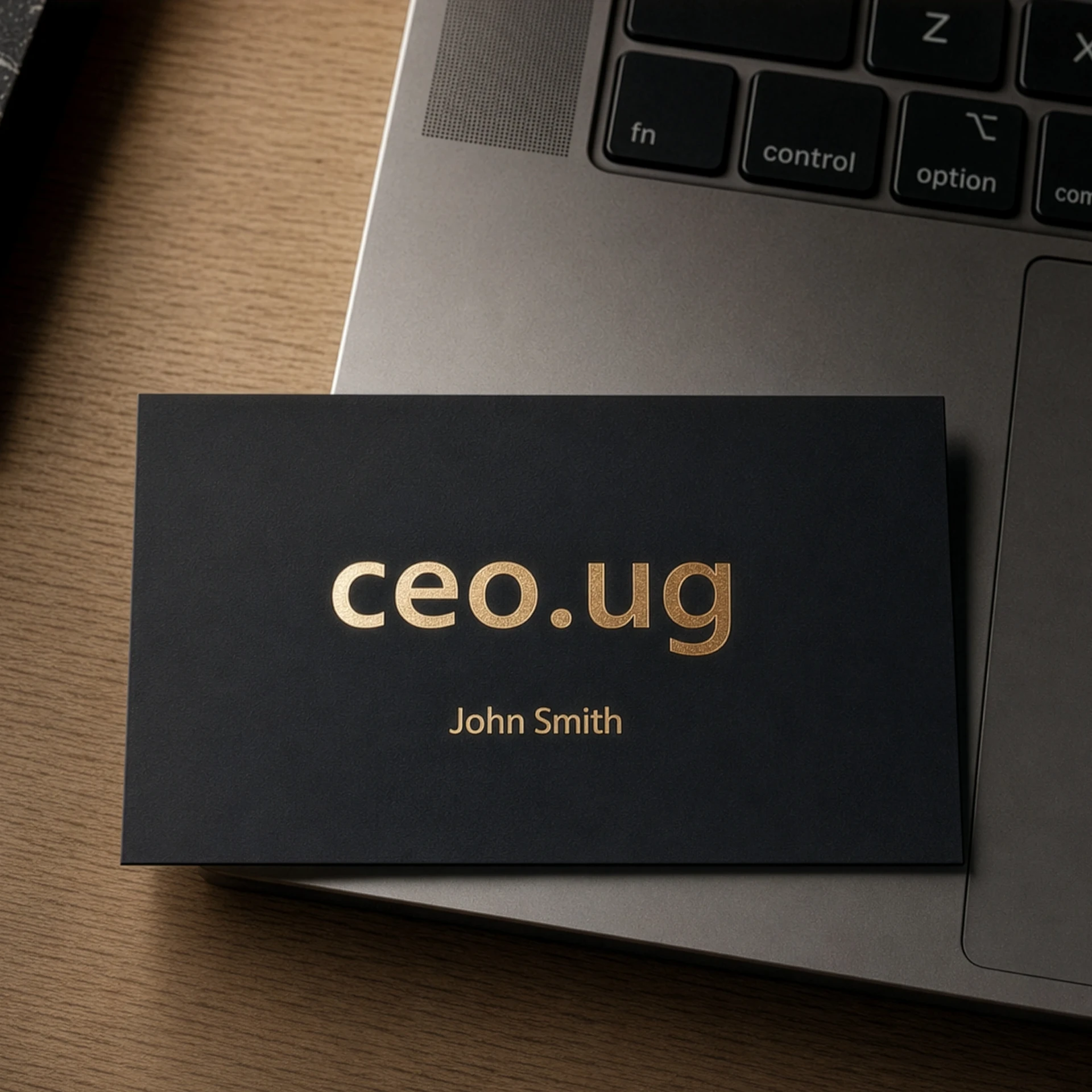
The road to full sovereignty does not, however, end with generating bookings. An independent boutique hotel must actively protect its brand on many fronts. In the digital sphere, a distinctive address from the Odoardo Space™ portfolio is often valuable, held exclusively, which no aggregator can use – the role of such an address is described by the text The Direct-to-Consumer (D2C) model for services. Inside, it is worth eliminating the visual noise of cabling: the animated furniture of Odoardo Soul™ delivers intelligent functions without violating a signature arrangement, of which we write in the material Discreet AI in historic hotels and palaces. The coherence is completed by the rotating gallery of Odoardo Art™, which constitutes a tangible justification for the property's pricing policy.
What an independent property can win with is stated by the creator of the Odoardo™ ecosystem:
“It is hard for a boutique to beat a platform on advertising budget. It has instead something the platform does not: a guest who really was there. The whole point is that their account should lead to the property, and not to a comparison site.”
Becoming independent of the aggregators is not accomplished in a single season. Every booking carried out through one's own channel, however, stays in the property in full – and that is the only arithmetic that counts here.
Boutiques that have escaped the intermediaries' dictate you will find in Odoardo™ research.
 Odoardo Soul™
 Odoardo Alibi™
 Odoardo Art™
 Odoardo Space™