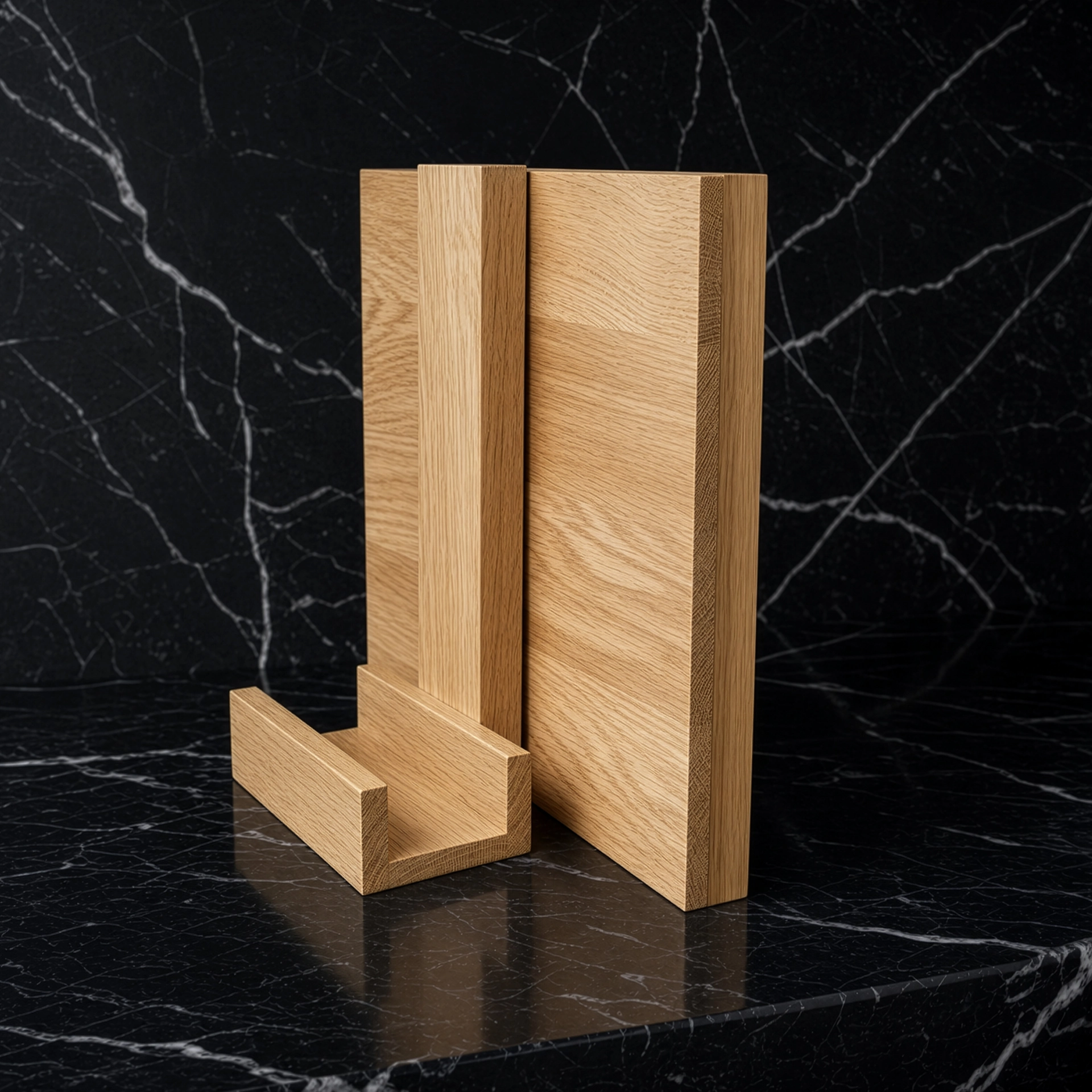
For decades, framing art has involved an irritating, widely accepted compromise. On one side we invest in refined images and try to give an interior a prestigious character; on the other, at the mounting stage we are forced to wrestle with primitive metal tabs and sharp clips hidden on the back. That dissonance between the aesthetics of the front and the brutal mechanics of the back is a relic of mass production which has no place in spaces designed in the spirit of quiet luxury. Real luxury means, after all, the elimination of any friction, effort and stress.
Contact with sharp, bendable mounting elements spoils the impression the object itself makes. The literature of usable design has described this for a long time: a product's assessment is decided not only by how it looks but by how it behaves in the hands – and the moment of mounting is sometimes the only one in which the user touches the construction. That is why, in creating our own system for displaying art, we categorically rejected cheap industry standards.
The twilight of invasive mounting methods
Traditional framing methods require tools, finger strength and bring with them a needless risk of damaging the work itself or injuring the hand. At Odoardo Art™ that process has been redefined. Our frame is a body of solid oak in which there are no screws, catches or cutting metal tabs. Changing the authorized work you receive under our subscription is a pure mechanical pleasure. The whole process comes down to sliding an oak mini-frame into the main frame. It is all crowned by a satisfying wooden “click”. Such trouble-free mechanics allow the mood in a living room to be refreshed in a flash, which we analyze more closely in the article Interior metamorphosis without renovation.
The power and discretion of neodymium magnets
To ensure the frame's stability on a desk or a chief executive's chest of drawers, we reached for solutions known from advanced technological systems. Instead of plastic, breakable feet or unstable props, we used precisely set neodymium magnets. The main frame is fitted with a dedicated magnetic base. Seen from the front, the whole supporting system is entirely invisible, so the work seems to “float in the air”. The magnets stabilize the frame upright while allowing the elements to be separated without great force. Thus arranging a home chest of drawers or a desk becomes a highly intuitive process rather than a discouraging duty.
Engineering that removes physical noise
The principle by which this mechanism was designed is formulated by the creator of the Odoardo™ ecosystem, dr hab. inż. Marcin Jamro:
“Real luxury is the absence of an instruction manual. The architecture of an object has no right to irritate. Its task is to deliver deep satisfaction from every touch and every millimeter of movement.”
Protecting collectible craft
Rejecting invasive clips has one more, extraordinarily important dimension. Each of our professional fine art prints is made on thick archival cotton paper. Traditional metal tabs, pressed in by force, create powerful pressure points on the delicate edges of the paper, which over time lead to micro-damage, creasing or irreversible abrasion. In the case of authorized works of collectible value, such treatment of the medium is simply inadmissible. Sliding in the mini-frame protects a work's precious edges, and the deliberate absence of reflective glass allows its untouched texture to be admired every day. You will find the justification for removing the glass barrier in the publication Picture frames without glass. Such care for the integrity of matter means that art in your home ages with uncommon dignity.
A coherent ecosystem of oak luxury
Once you appreciate the comfort of dealing with objects designed this way, you will naturally begin to expect similar solutions in other spheres of life. A decor based on the quiet, intelligent mechanics of wood is an excellent setting for equally deep and authentic human relationships. The casket of Odoardo Alibi™ was constructed in the same uncompromising way. It too gave up traditional hinges in favor of neodymium magnets hidden under the veneer – we describe that solution in the text The engineering of an oak box. By surrounding yourself with objects in which engineering discreetly serves quality, you create around you a space of undisturbed calm.
Where this approach to detail comes from is explained by the Odoardo™ manifesto.

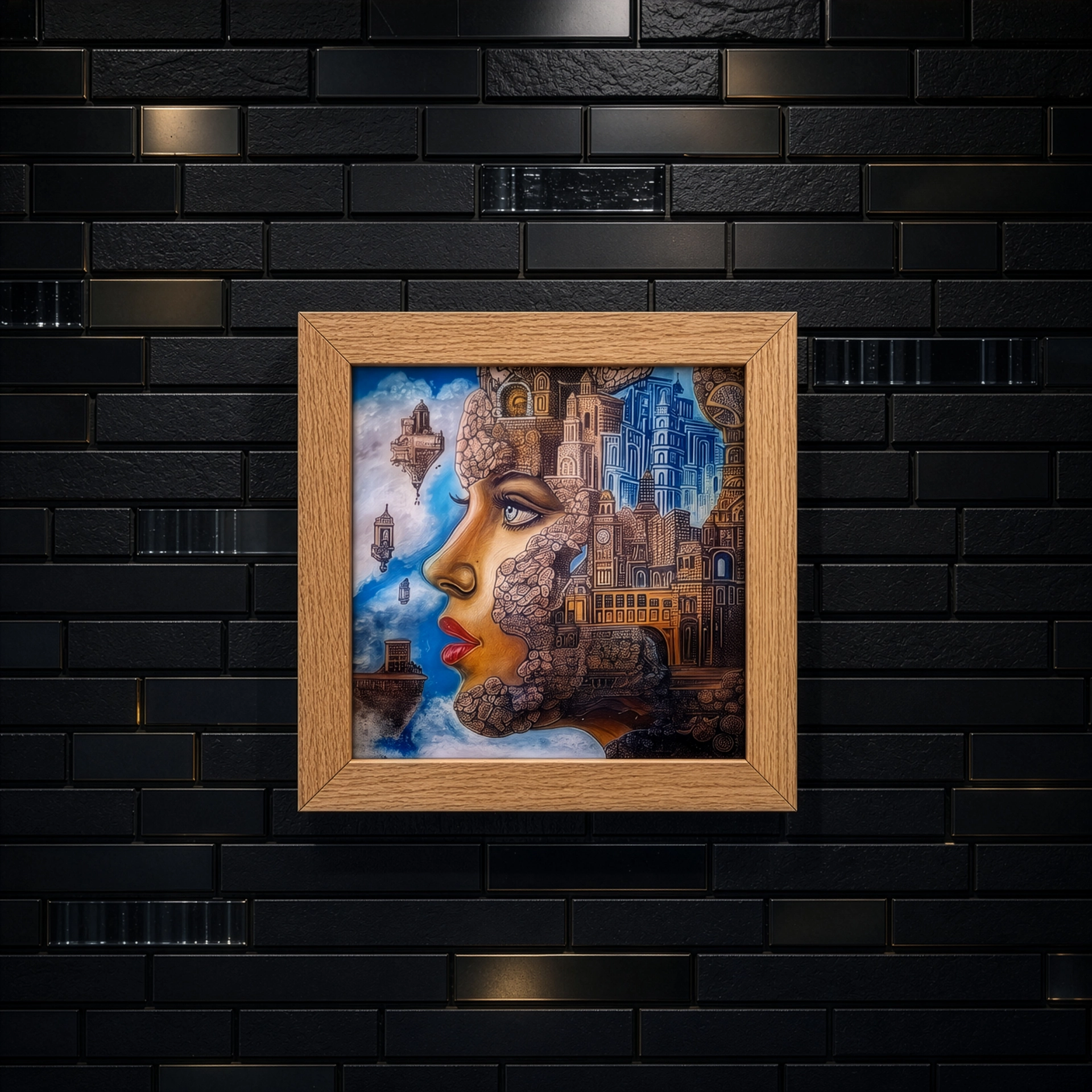



 Odoardo Soul™
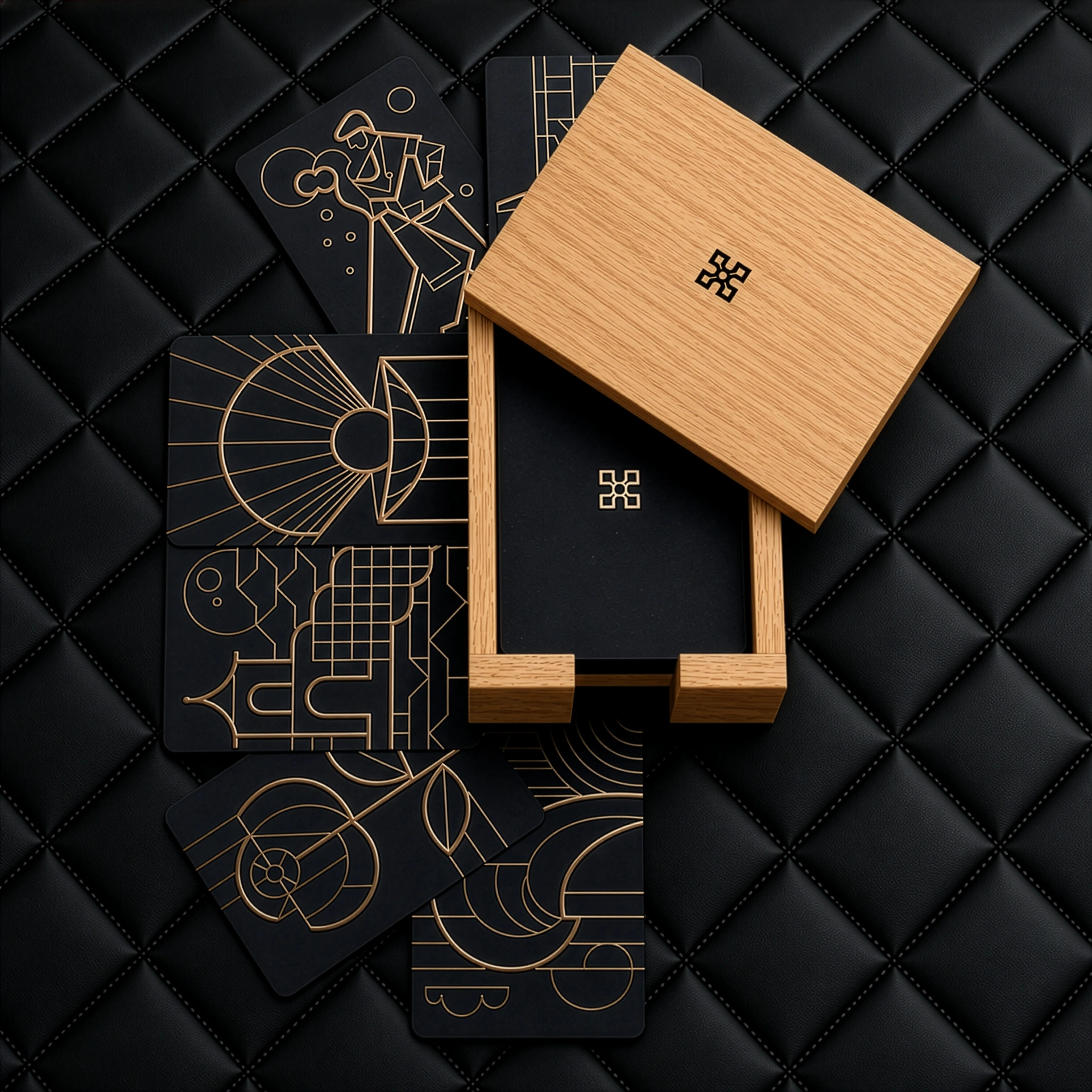 Odoardo Alibi™
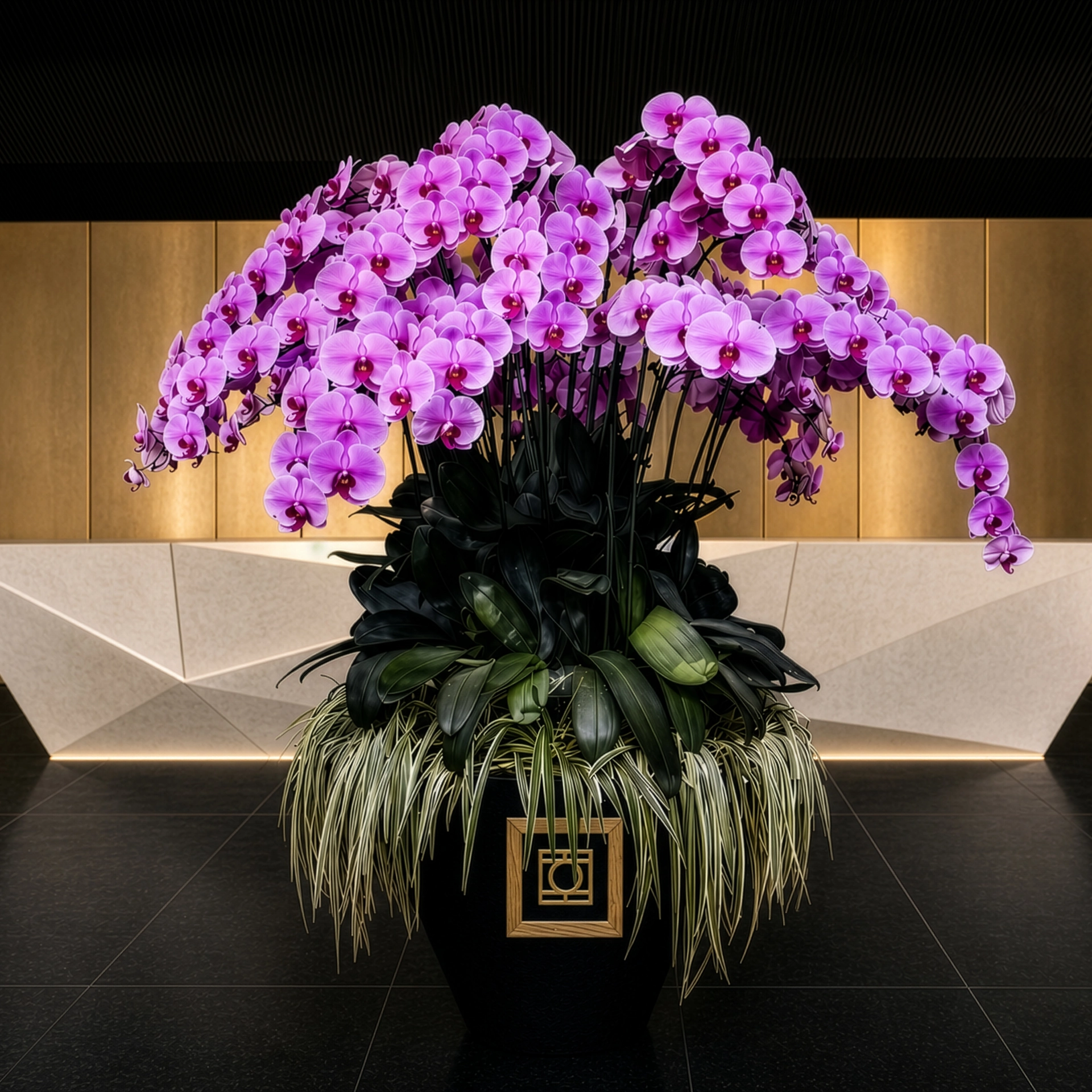 Odoardo Lens™
 Odoardo Space™