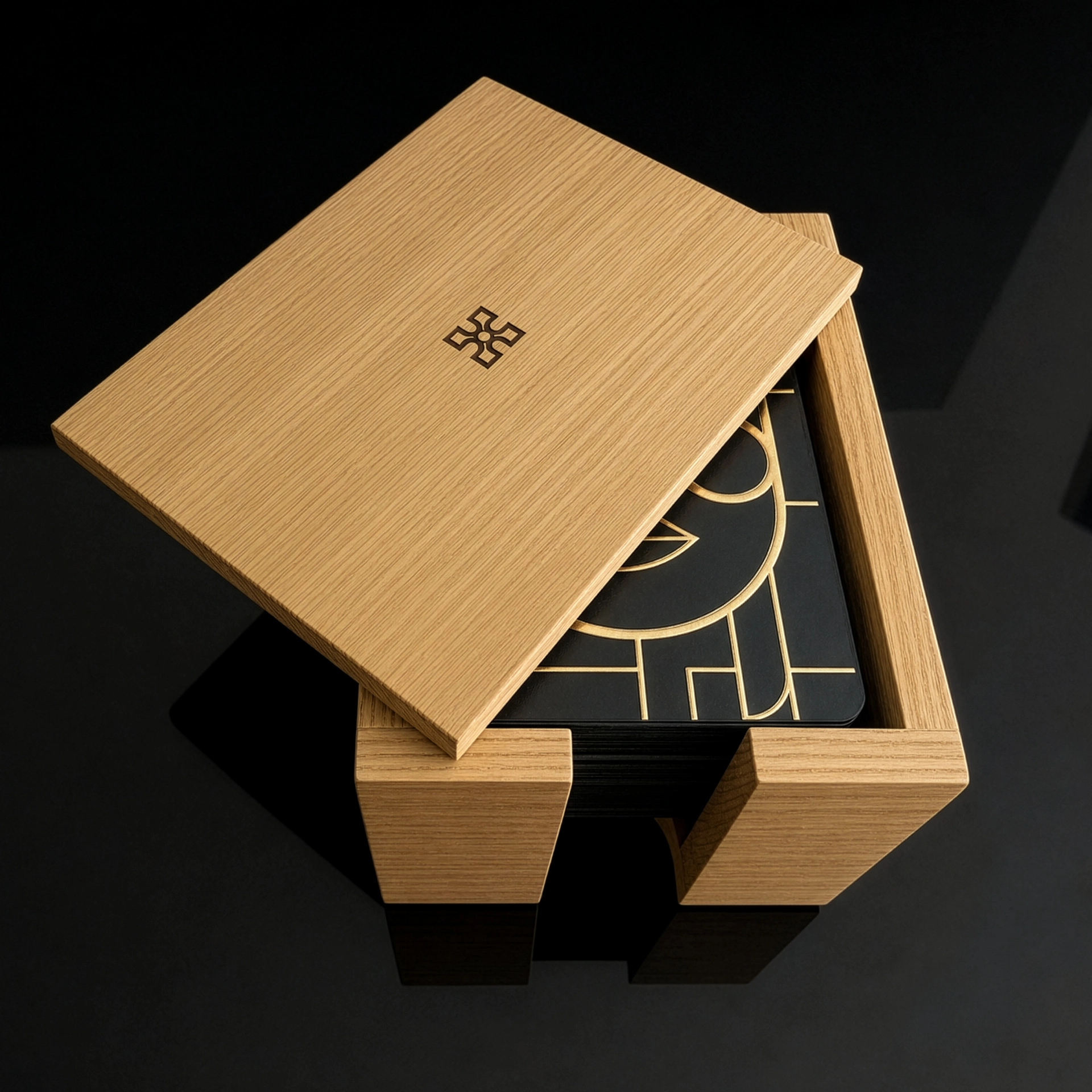
Designing objects in the quiet luxury current is a ceaseless striving for absolute purity of form. Creating the box for Odoardo Alibi™, we faced a challenge: how do you join an oak lid to a base without disturbing the sculptural harmony of the body? In joinery the simplest choice is metal hinges, yet against an uncompromising vision of luxury they proved a solution full of aesthetic faults. Giving them up in favor of neodymium magnets and veneer is the key to understanding the craft.
The brutalism of hinges and the philosophy of quiet luxury
Metal hinges, functional in mass production, bring an industrial element into a design. They require screws and a brutal breaking of the continuity of the grain. From a psychological point of view, a visible mechanism reminds one of the technical nature of the object.
Premium-class objects are meant to cut us off from technological noise. Breaking the line of the wood with metal irrevocably destroys the sense of handling a natural object. Classic hinges wear with time, which can disturb a perfect fit. Agreeing to such compromises is the image-level “it will work out” trap. We apply the same uncompromising stance to solid-dyed black paper.
The magic and physics of neodymium magnets
To achieve a soundless closing, we reached for neodymium magnets (NdFeB) – the strongest permanent magnets known to engineering. This changes the way the box is opened. Lifting the lid requires overcoming a perceptible resistance, so the movement slows of itself. Closing the box, in turn, is accompanied by a muffled click as the lid drops precisely into place.
The absence of visible joints and the precise kinetics of the movement make the box a physical alibi for deep conversations. Instead of opening an ordinary box with 50 deep questions for your partner, the user begins a ritual for couples. We design fixing mechanisms in the same way at Odoardo Art™, which we write about in the piece Engineering in solid oak.
Why is veneer indispensable?
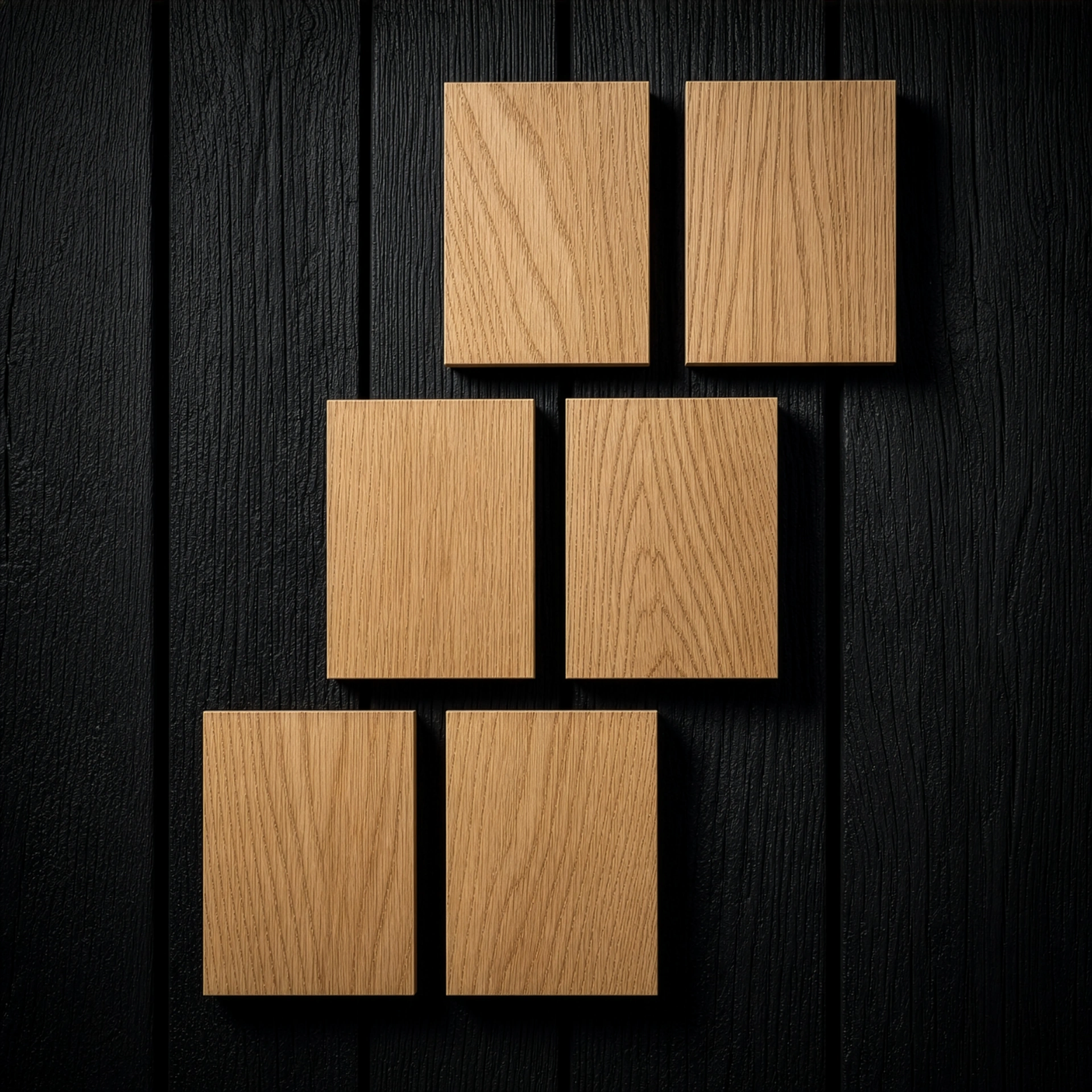
Setting strong magnets into solid wood so that they are entirely invisible is engineering of a higher order. Simply filling the holes would degrade over time. Here natural oak veneer comes to the rescue.
The magnets are placed inside the solid wood, and then the contact plane is covered with veneer. Thanks to this the magnet works through a millimeter layer of wood. Solid oak is a material that moves with changes in humidity. Using veneer at the contact surfaces stabilizes the stresses, so the box does not warp even after years. A product designed this way supports setting the electronics aside and beginning a digital detox before sleep.
The contemporary definition of luxury
Hiding engineering beneath a minimalist form is the highest degree of design. This universal rule is explained by the creator of Odoardo Alibi™:
“Whether we are designing advanced algorithms or physical objects of daily use, the aim of engineering is to hide the complexity of the mechanism from the user. Luxury shows itself when complicated physics and intricate technology disappear behind the scenes, leaving us with a pure, flawless and almost magical experience of handling beauty.”
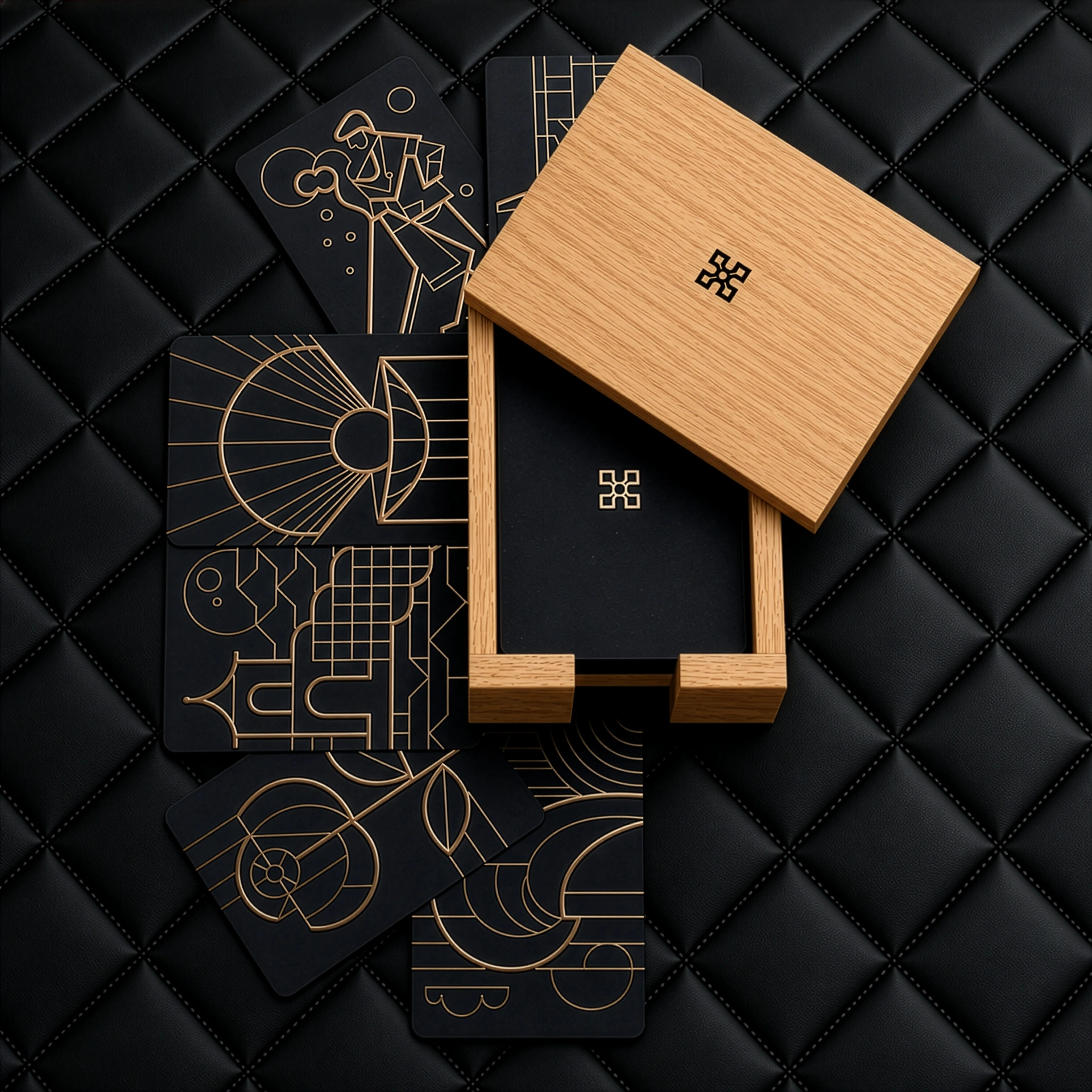
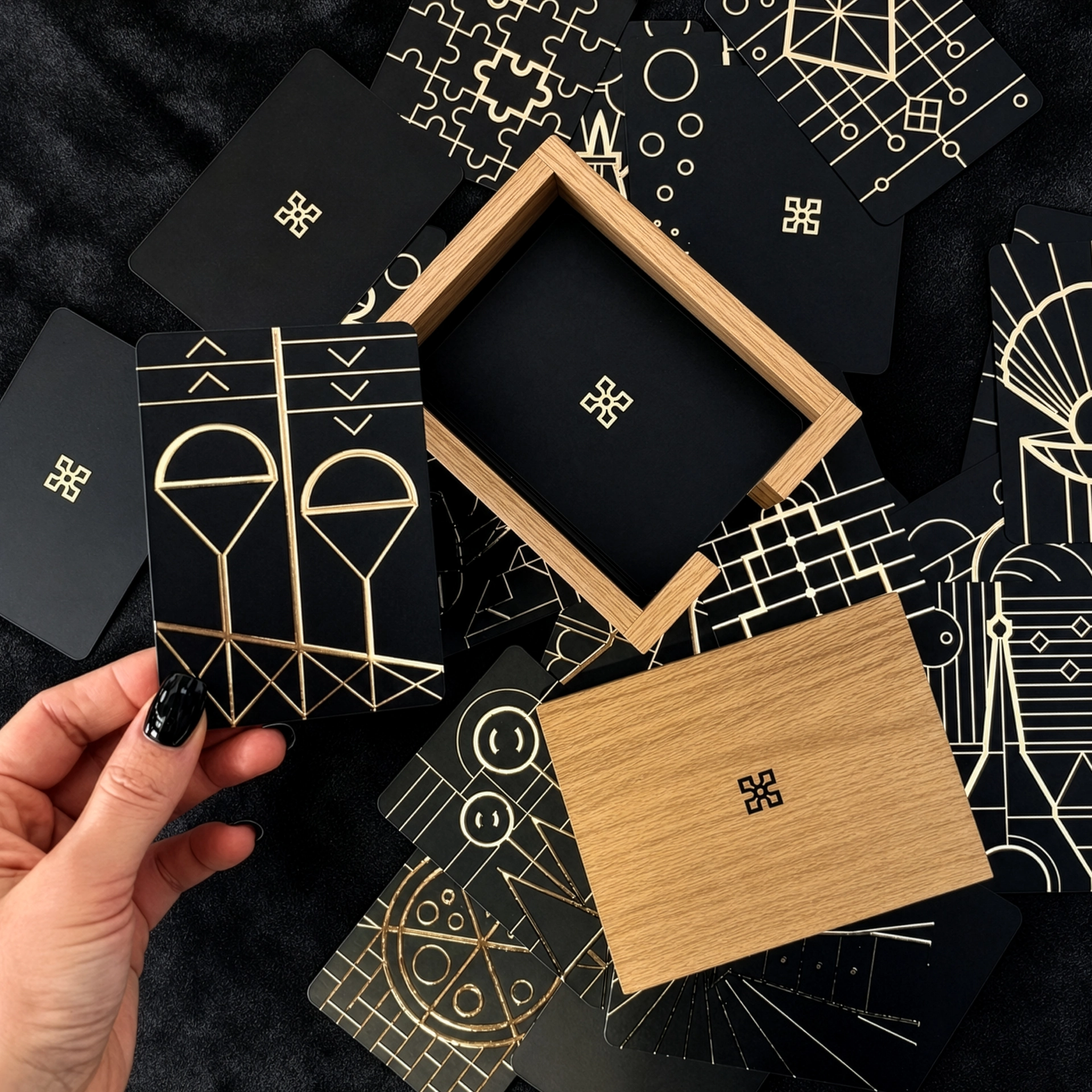
This uncompromising philosophy makes the Odoardo Alibi™ box a work of engineering art in its own right. It belongs to the same current as the physical contextual interfaces of Odoardo Soul™, which wake intelligence through touch. By handing over such a refined anniversary gift for a wife or husband, or a present within corporate gifting with class, you offer an object designed to shelter time from technological noise and to stimulate active listening in a relationship.
Why we hide the mechanism instead of displaying it, we explain in the manifesto.
 Odoardo Soul™
 Odoardo Art™
 Odoardo Lens™
 Odoardo Space™