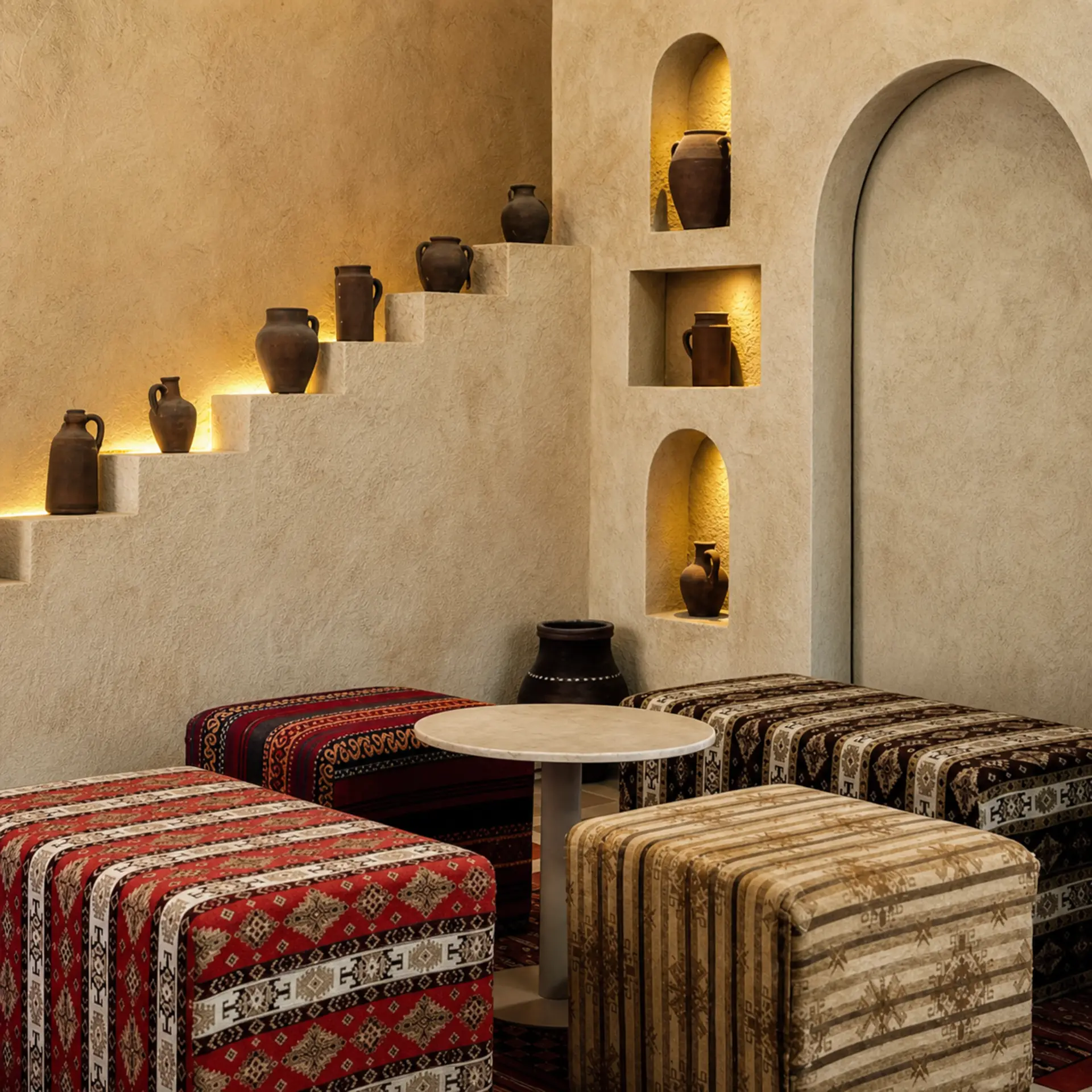
Investment in boutique decor is a craft process in which every detail – from the texture of the wallpaper, through the lighting, to the choice of materials in the wellness zone – is meant to build a coherent narrative of quiet luxury. Yet in an age of omnipresent social media, painstakingly designed interiors are subjected daily to a “digital test”. When a guest takes out a smartphone to capture a moment, they most often apply accidental filters and amateur recording techniques that distort the property's architectural vision beyond any control. This phenomenon, often called visual noise, can drastically lower a hotel's perceived value.
Aesthetic dissonance and the value of the brand
In the high-end industry, luxury is identical with control over the experience. When a prospective client browsing accounts of a hotel online comes upon shaky frames, badly rendered colors or accidental filters, they correct their expectations downwards. We describe this mechanism more broadly in the article The psychology of aesthetics in hospitality. Amateur User-Generated Content (UGC) then becomes a calling card nobody ordered: it distorts the interiors and, along the way, sets the price bar lower.
This problem leads to the gradual erosion of the key Average Daily Rate (ADR) indicator. If the image online does not confirm the promise of refined hospitality, the hotel loses its arguments for maintaining premium prices and begins to compete solely on the level of cost, which is the shortest road to losing profitability. The influence of image on pricing policy we explain in the publication Defending ADR.
Control regained: the cinematic standard
To protect unique decor from digital distortion, modern boutique properties give up passive observation in favor of active management of the visual narrative. The key is to replace chaotic UGC with the standard of Curated Guest Content (CGC), which we take apart in a separate text.
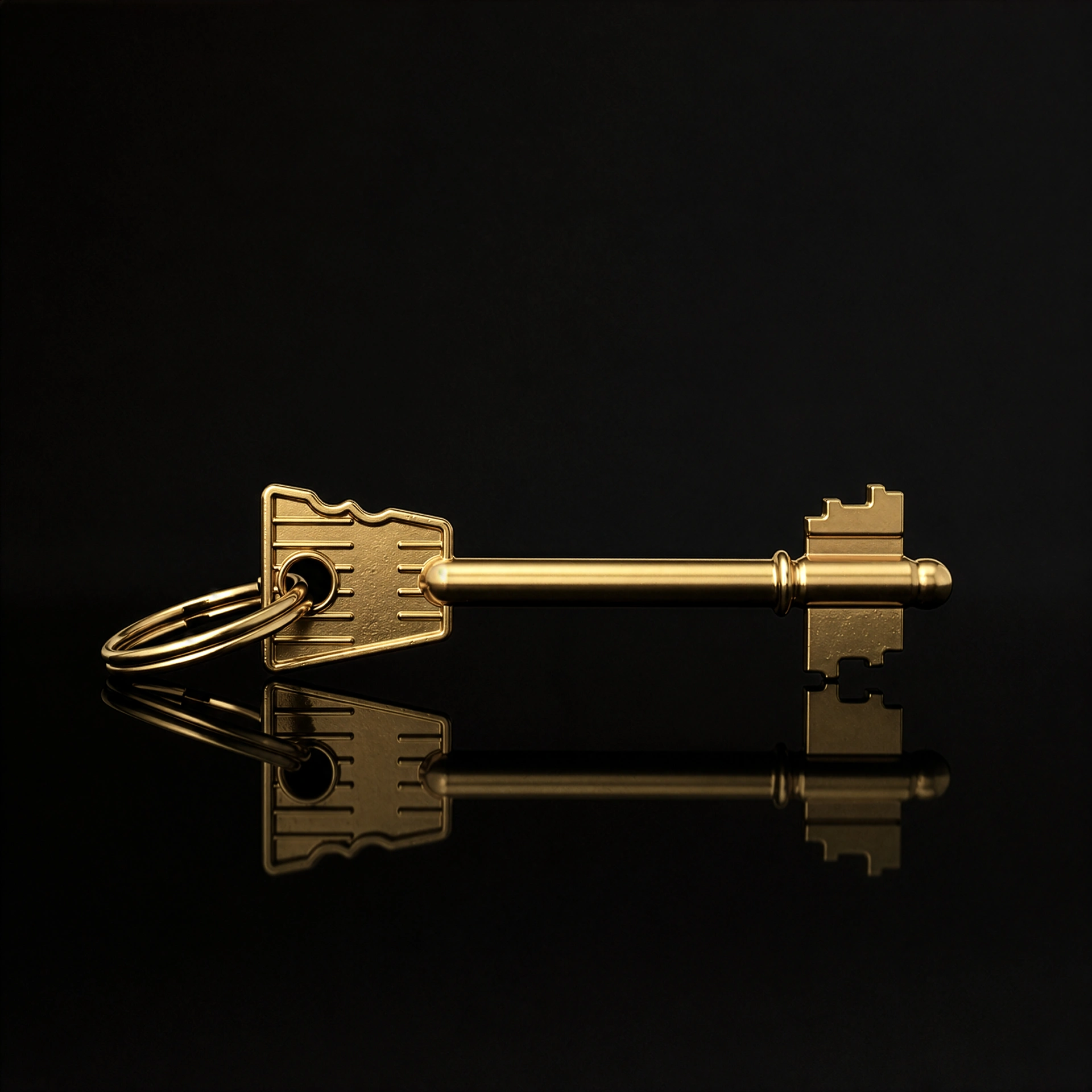
Deploying the infrastructure of Odoardo Lens™ allows the role of director to be taken over subtly, while the initiative and the decision to publish remain with the guest. A physical welcome card, made of solid-dyed black paper with haptic, three-dimensional gilding, invites the guest to wake a cinematic interface. The role of such details in building a first impression has been discussed in the article Designing guest experience. The system discreetly suggests which shots best convey the character of the interiors, taking care along the way of intelligent upselling of spa or dining services. Thanks to a process that performs color grading and image stabilization in the cloud, the guest receives video of a quality worthy of a five-star property and decides on its publication themselves.
The business dimension of aesthetics
Protecting an image is not only care for beautiful frames – it is a hard business strategy. Every professionally edited video postcard shared online by a guest contains a discreet button enabling immediate Direct Booking. About the strategic dimension of this solution you will read in the material Direct bookings in premium hotels.
This allows hotels to:
- Reduce the commissions paid to OTA platforms on every booking.
- Increase the operating profit from a room, which directly improves the Gross Operating Profit Per Available Room (GOPPAR) indicator.
- Defend the ADR indicator effectively, because aesthetically coherent material online builds the brand's status and justifies high-end prices.
An ecosystem of coherence in the spirit of quiet luxury
Maintaining aesthetic standards requires a holistic view of every element of the furnishings. So that the interior design is not disturbed by technological mess in the form of tangled cables or plastic screens, hotels increasingly reach for the animated matter of the Odoardo Soul™ portfolio. This allows purity of form to be preserved while modern services are delivered.
To complete the coherence of the image, it is also worth taking care of:
- A distinctive address from Odoardo Space™, covered by an exclusivity agreement, which builds authority before the first meeting with a client – this is described by the text The cheap address trap.
- Rotating art from Odoardo Art™, which raises the prestige of the interiors and becomes the backdrop for guests' recordings, which the material The psychology of changing space develops.
- Stimulating conversation in club zones with Odoardo Alibi™, of which we write in the text The lounge in a luxury hotel and spa.
How essential this approach is, the creator of the Odoardo™ ecosystem states:
“In luxury, every visual contact with a brand is a declaration of its quality. If the image online is at odds with the physical reality of the property, we lose what is most precious: the guest's trust. Aesthetics are not a choice here, but the foundation of profitability.”
The architect's work and the work of a filter applied in half a second stand no chance in fair competition – unless the guest receives material already finished. Then the interior looks online as it really looks, and there is no need to make up for it with price.
Interiors that held their own in frame without post-production we set out in Odoardo™ research.
 Odoardo Soul™
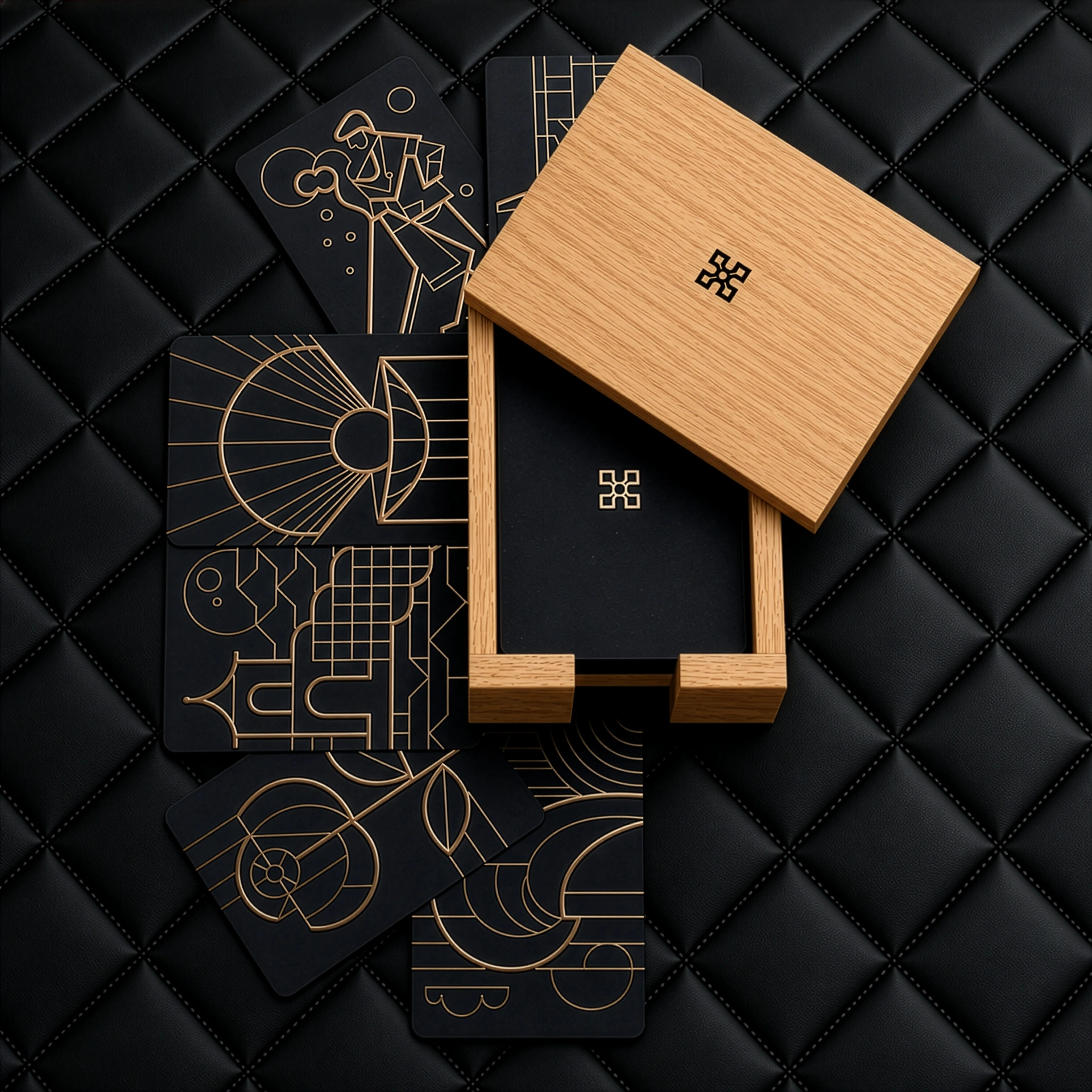 Odoardo Alibi™
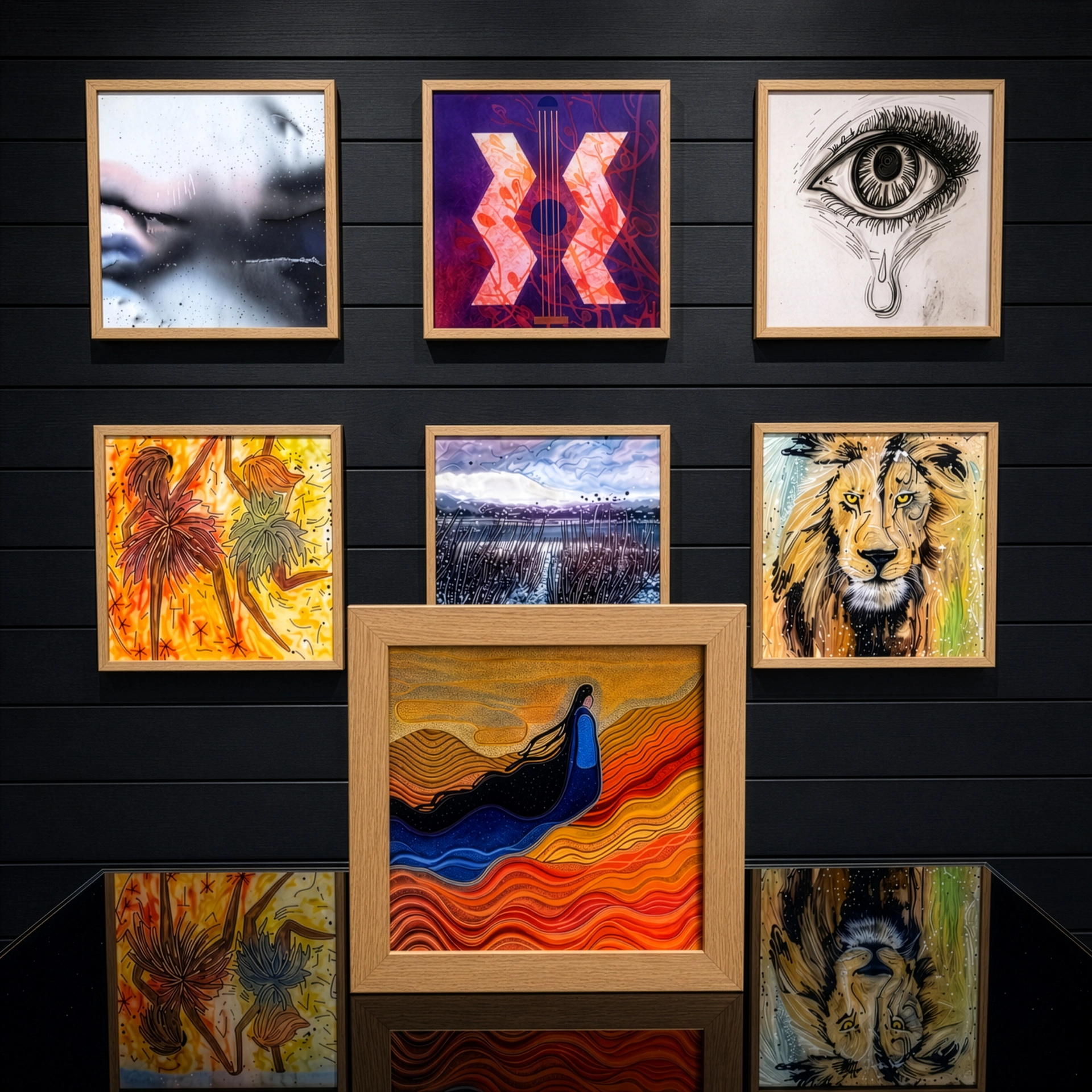 Odoardo Art™
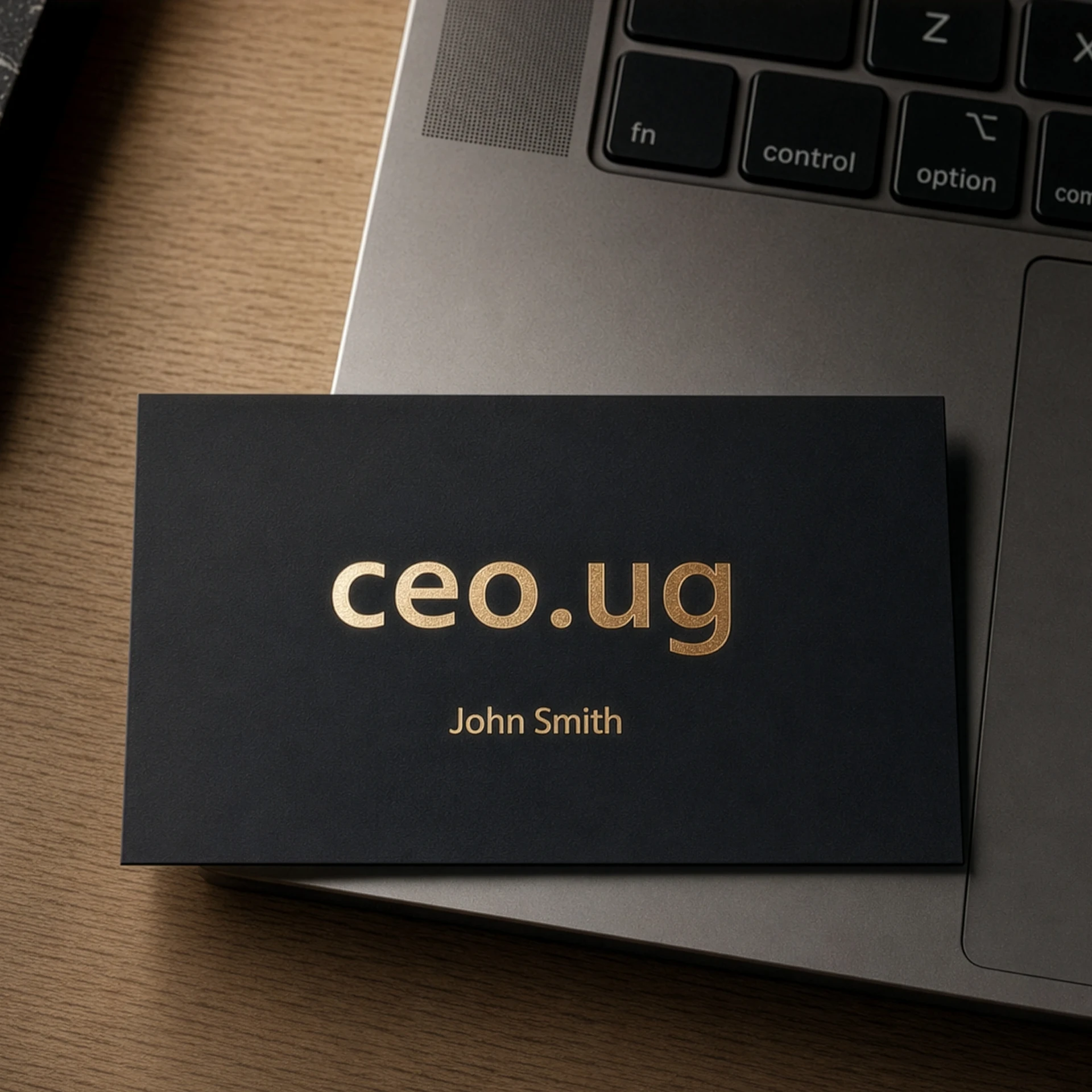 Odoardo Space™