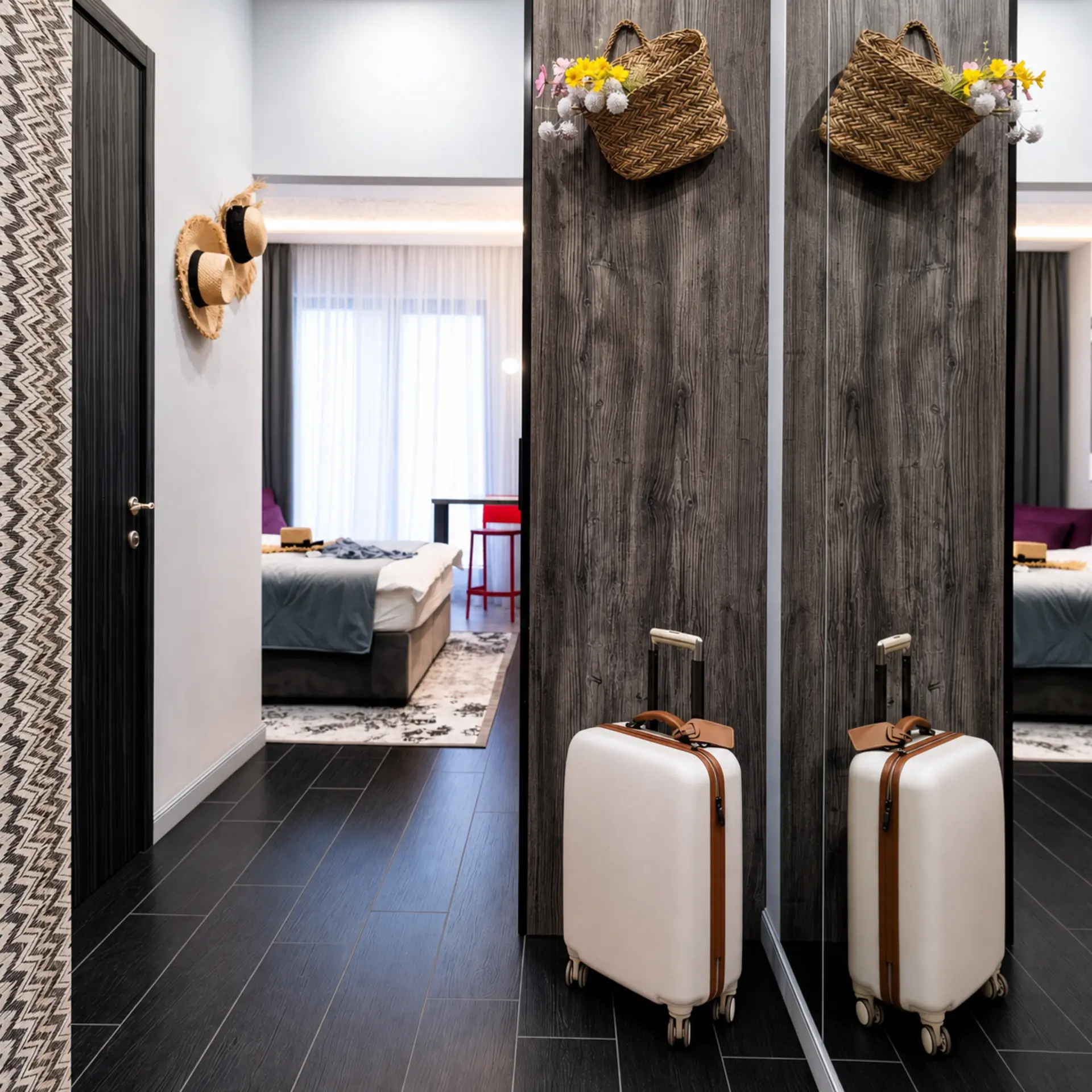
Managing time in high-end properties resembles the precise mechanism of a Swiss watch. When a guest leaves a luxury suite, the cleaning staff have barely a few dozen minutes to restore the space to absolute perfection. In this extremely tight schedule, every additional task becomes an operational burden. Unfortunately, in the pursuit of modernity, marketing departments often introduce into the rooms solutions that paralyze the work of housekeeping. Discharged tablets controlling the lighting, digital frames requiring a restart, or a tangle of leaflets and QR codes that must be verified daily – all this generates invisible costs. In the hospitality industry, true innovation is that which raises the margin at once without stealing a single minute of the staff's time.
The trap of the over-invested room
The fascination with digitization has led many hotels to turn their suites into complicated command centers. A touch screen for ordering services looks attractive in a brochure, yet from an operational perspective it can be a disaster. These devices require constant wiping of fingerprints, checking of battery levels and the solving of Wi-Fi problems. For a housekeeper this means losing several precious minutes in every room served. On the scale of a great resort and hundreds of rooms, this translates into thousands of wasted working hours a year, which noticeably lowers the key indicator of operational profitability, Gross Operating Profit Per Available Room (GOPPAR).
What is more, ubiquitous glaring screens disturb the aesthetics of quiet. Why giving up plastic in favor of noble matter raises a property's standing is recalled by the article Quiet luxury and contemporary technology. The affluent guest desires aesthetic peace in the spirit of quiet luxury, and the staff need procedures that are entirely maintenance-free.
The power of a single, discreet gesture
To join an uncompromising guest experience with the rigorous optimization of operating costs, premium properties turn toward solutions reduced to the utmost in form. Ideal marketing inside a hotel room should come down to a mere single, swift movement of an employee's hand.
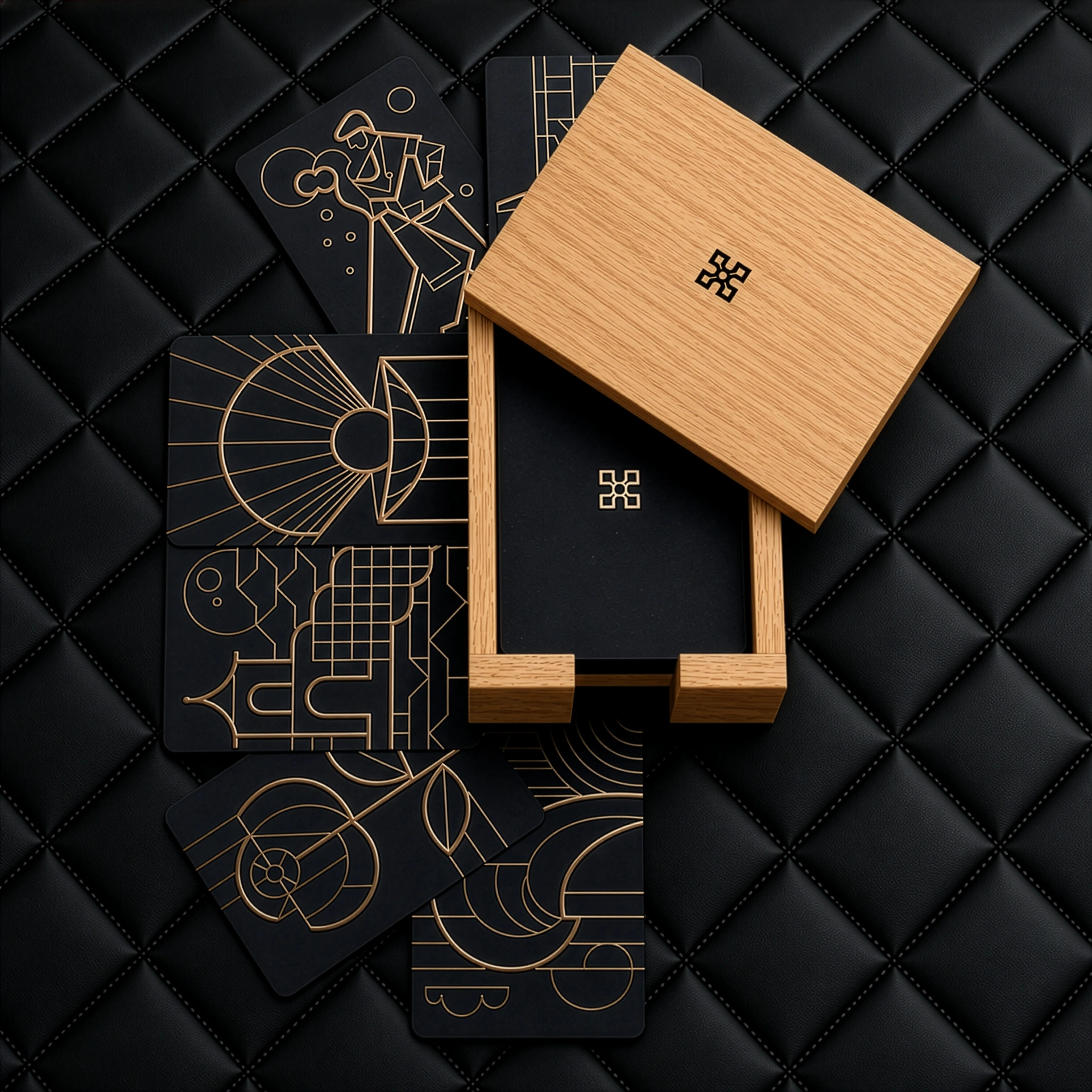
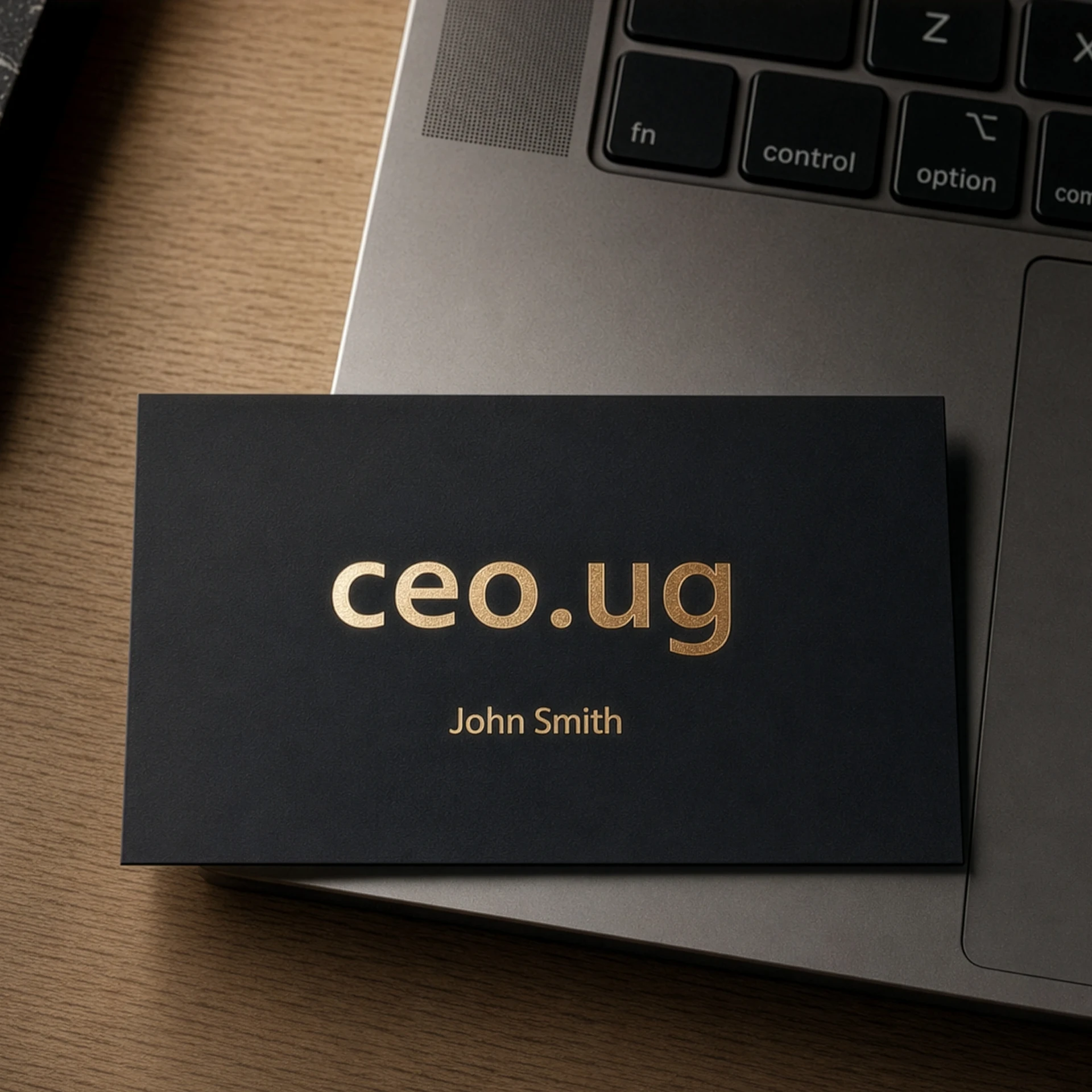
That movement is placing a black welcome card on the table – a task that takes a housekeeper as much time as straightening a pillow. The card has no battery, requires no charging, no cleaning of a screen and no network connection. Inside the card, however, a microchip is hidden. When a guest brings their own smartphone close to it, a ready interface opens in the browser – with no installation, no account and no configuration on the property's side. The carrier itself we describe in the text Designing guest experience.
Virtual direction and the protection of margin
Despite the absence of complicated devices, a physical card initiates the cinematic standard in the suite. The virtual director, working in the client's browser, takes over the burden of communication. It subtly conducts upselling, encouraging visits to the wellness zone and suggesting how to capture perfect frames. Cloud software stabilizes the video in a flash and performs cinematic color grading, creating Curated Guest Content (CGC). The material arises on the guest's phone and stays there – the hotel supplies a tool, not control over a private recording, and publishes it in its own channels solely with the author's consent. Why this distinction matters is discussed by the publication Curated Guest Content (CGC) versus UGC.
If the guest decides to share the video postcard, the link placed in it leads their friends straight to a booking. The hotel gains new guests while bypassing the intermediary platforms (OTA), keeping the saved commission in its own accounts and at the same time protecting the Average Daily Rate (ADR) indicator soundly. This entirely automated action means that the teams responsible for occupancy can occupy themselves with building relations rather than chasing leads by hand, which is described broadly in the article Freeing the sales department.
Fewer devices, fewer failures
Reducing operational burdens should form the foundation of every decision deployed in premium-class properties. This principle concerns not only the rooms but the whole hotel space. Instead of installing failure-prone information kiosks in the lobby, hotels can animate classical furniture thanks to the invisible technology of the Odoardo Soul™ portfolio. To relieve the PR and marketing departments of the daily struggle for coherence of image, it is worth automating the production of content, which the material Hotel marketing automation explains. A dedicated address from the Odoardo Space™ portfolio, in turn, gives the booking channel a separate, recognizable address.
A radical approach to the question of usability in a demanding operational environment is summed up perfectly by the creator of the Odoardo™ ecosystem:
“Technology in hospitality is justified commercially when the cost of operating it tends to zero. Every additional minute the cleaning staff must devote to restarting screens or checking power cables is a silent drain on margin.”
Limiting in-room marketing to a single maintenance-free card solves a problem nobody usually counts: the minutes the staff devote to devices. The guest receives an object instead of a screen, and the property a booking channel that requires not a single service task.
The approach in which technology disappears and the object alone remains we describe in our manifesto. If you want to check what the internet says about your property today, look into the Research section.

 Odoardo Soul™
 Odoardo Alibi™
 Odoardo Art™
 Odoardo Space™