
Every proposal to deploy new marketing software in a luxury hotel usually meets justified resistance from IT directors. The information ecosystem in the hospitality industry is an extraordinarily delicate network of dependencies. Joining the property management system (PMS), the channel manager, the payment gateways and the booking engine demands unceasing supervision. Any deep integration of foreign API code creates the risk of a failure that may paralyze reception's work, lead to the loss of high-end guests' data or cause costly stoppages in sales. In consequence, properties often give up innovative conversion tools, sinking into outdated processes for fear of breaching digital stability.
The fear of interfering with the core of the system
Most traditional loyalty and marketing solutions force costly integration bridges upon hotels. These systems not infrequently demand access to sensitive databases, which raises formidable challenges of security and compliance and drastically lengthens deployment. What is more, hidden fees for maintaining such connections at PMS operators regularly consume capital, of which we write more broadly in the analysis The hidden costs of guest acquisition (CAC).
From a financial perspective, blocking innovation because of technological barriers is silent consent to continue handing margin to global intermediaries (OTA). To protect the Gross Operating Profit Per Available Room (GOPPAR) indicator effectively, a hotel must have at its disposal a flexible channel driving Direct Booking – but one that does not in the slightest threaten the functioning of the present infrastructure.
Non-invasive architecture and a separated cloud
The solution to this technological impasse is a complete change of the deployment paradigm. Instead of building risky connections inside the hotel network, the cinematic standard operates outside it – as a fully autonomous, maintenance-free conversion layer.
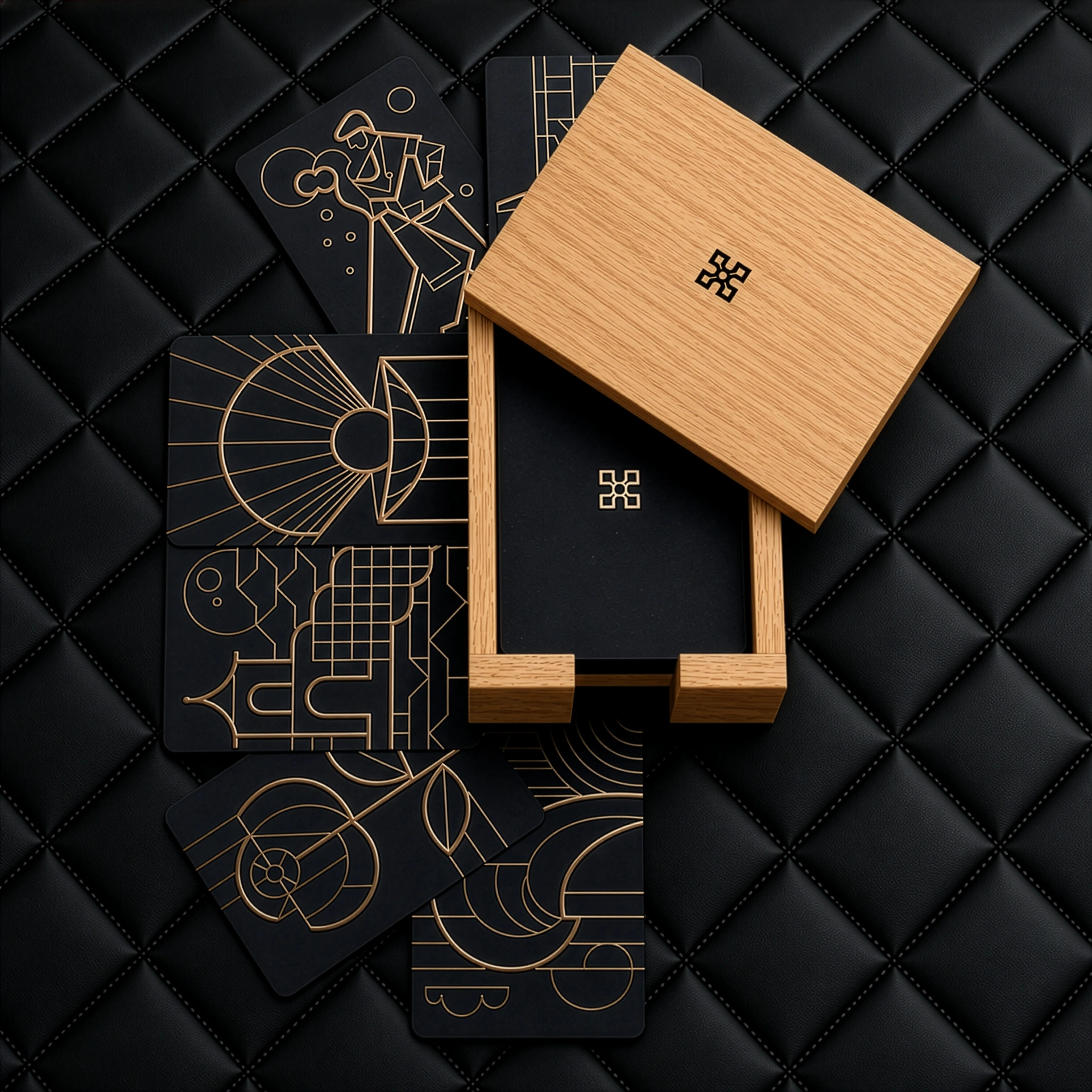
By deploying the architecture of Odoardo Lens™, a hotel installs no new software on its servers. The point of contact becomes a luxurious, physical card with a golden, haptic detail, left in the suite. The microchip built into it directs the guest's smartphone straight to a secure external web application. The meaning of this non-invasive approach for the client's own convenience has been explored in the text Technology without barriers.
The video material gathered – often constituting imperfect User-Generated Content (UGC) in the first phase – reaches the powerful cloud servers of Odoardo™. It is there that the heavy process of image stabilization and signature color grading takes place. The hotel's network infrastructure and the processor in the guest's phone are in no way burdened, which the publication Web apps vs native apps explains precisely. The Curated Guest Content (CGC) generated remains safely separated from the property's local databases.
Closing the conversion loop without API code
In what way, then, does a virtual director drive sales without integration with the booking engine? The mechanism rests on intelligent direction of network traffic. The video postcard shared by an affluent guest with friends is embedded in a prestigious player. When a viewer clicks the “Book” button, the system performs a simple, encrypted URL redirect with defined UTM parameters straight to the hotel's standard sales page.
The hotel's booking engine receives this traffic in exactly the same way as an organic entry from a search engine or an e-mail campaign. The IT department does not have to configure any data-exchange certificates or give external companies access to the availability calendar. This elegant process means that the booking is not burdened with an intermediary's commission, and the deployment engages no developers. The strategic benefits flowing from acquiring guests directly are discussed by the text Direct bookings in premium hotels. Equally important, the absence of any requirement to set up an account in an external application assures the guest of discretion – we develop this theme in the article Technology without barriers.
The coherence of the quiet luxury ecosystem
Technological discretion should embrace every plane of a prestigious brand's functioning. The independence achieved in distribution is completed by a distinctive address from the Odoardo Space™ portfolio, reserved for one brand – the role of such an address is described by the text Building a digital monopoly online. Inside the property, aesthetics free of cabling and plastic are assured by the animated matter of Odoardo Soul™, which allows unobtrusive upselling through the touch of wood, of which we write in the material The intelligent table in fine dining restaurants.
The essence of this approach to hotel infrastructure and guest experience is diagnosed by the creator of the Odoardo™ ecosystem:
“Instead of building risky, deep database integrations, we create an autonomous conversion layer that protects the security of the hotel's infrastructure and the privacy of guests.”
The effective deployment of a modern marketing tool need not mean compromises in the field of cybersecurity. A non-invasive, external architecture allows managers of high-end properties to scale direct bookings and defend the Average Daily Rate (ADR) indicator while keeping the IT department calm.
We approach someone else's infrastructure as the manifesto describes.



 Odoardo Soul™
 Odoardo Alibi™
 Odoardo Art™
 Odoardo Space™